Australia approves offshore site for Inpex to store 488 million tons of carbon dioxide
The Northern Territory project targets emissions from the Ichthys gas facility, drawing support from the government and criticism from marine conservationists.
By Beatriz Bailey ·
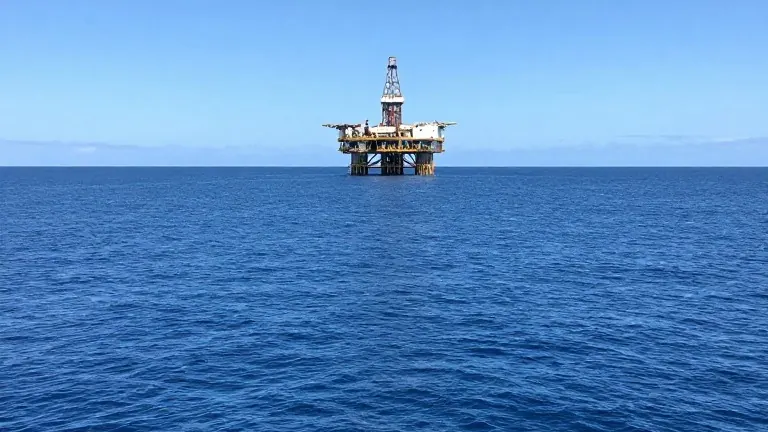
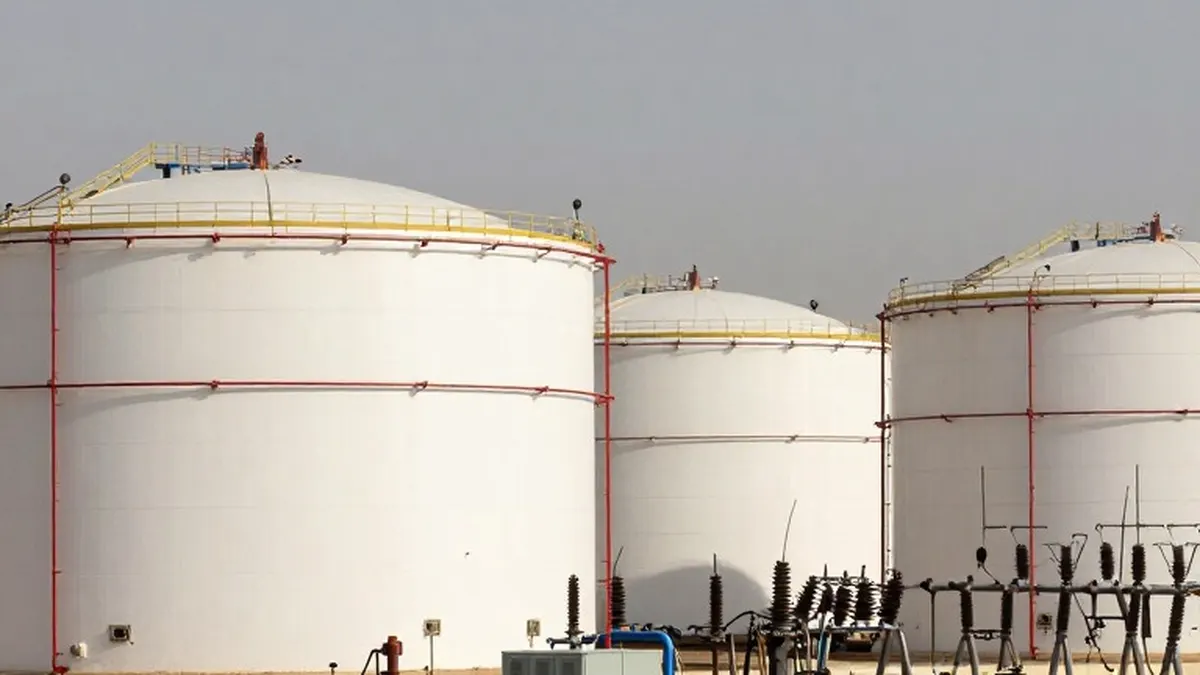
Australia has officially designated a seabed site near its northern coast for a carbon capture and storage project led by Japanese energy company Inpex. The facility is approved to store up to 443 million metric tons, or 488 million tons, of carbon dioxide over a 35-year period.
The project site is located 260 kilometers, or 162 miles, offshore from Darwin, the capital of the Northern Territory. It lies in the Timor Sea and involves injecting carbon dioxide into a deep saline aquifer named West Peron. The primary customer for the facility will be the nearby Ichthys liquefied natural gas facility, which is majority-owned by Inpex. Most of the gas produced at that facility is exported to Japan.
Australian Resources Minister Madeleine King stated that the designation supports technologies that help reduce emissions from industries that are difficult to decarbonize. In a statement, King said the project plays a role in supporting Australia’s transition to net zero. King and the Department of Industry, Science and Resources did not respond to email inquiries seeking further comment.
The approval places the project at the center of a global debate over carbon capture and storage. Proponents argue the technology is necessary for hard-to-abate sectors such as steel production and shipping. Critics contend that the approach allows polluting industries to continue using fossil fuels while promising to capture the exhaust later.
The International Energy Agency considers carbon capture a tool for curbing climate change, but its net-zero emissions scenario forecasts the technology will contribute less than 5% of emission reductions by 2050. The United States has several carbon capture projects in operation, and the European Union opened its first offshore facility in September.
Environmental groups have raised concerns about the impact on marine, coastal, and terrestrial ecosystems. The project area overlaps with habitats for threatened and migratory species, including dugongs, turtles, and seabirds. Chelsea Deng, a campaigner at the Australian Marine Conservation Society, described the construction phase as a major disturbance to these environments.
Deng noted that construction involves dredging, drilling, and piling into the ocean, which causes sediment disturbance and water quality pollution from chemical discharge. She added that underwater noise from these activities poses specific risks to marine life. Inpex did not respond to email inquiries seeking comment.
Once operational, the site will see increased marine traffic. Routine underwater surveys to check for leaks will also continue to affect the ecosystem. Deng explained that these seismic impulses can cause plankton to die up to 1.2 kilometers, or three-quarters of a mile, away. She stated that this monitoring process will continue for decades while the project is underway.
Japan, one of the world's top polluters, aims to reduce carbon emissions by 60% by 2035 and by 73% by 2040, both measured against 2013 levels. Heavily polluting industries remain vital to the Japanese economy, and the country relies on fossil fuels for the majority of its energy.
A 2025 briefing by Japan's Ministry of Economy, Trade and Industry described carbon capture and storage as indispensable for decarbonization in areas where electrification or hydrogen use is challenging. The ministry did not respond to email inquiries. Inpex is also involved in a joint project off the coast of Chiba to capture carbon dioxide from steel plants, and another Japanese company is planning to ship emissions to Malaysia.
Deng characterized the expansion of carbon capture and storage as a tactic by fossil fuel companies to justify continued pollution. She argued that the industry should focus on ramping down production and phasing out fossil fuels instead of relying on capture technology.
Source: WKMG-TV