
Fall clock change adds an hour to Sunday, but most Americans sleep only 36 extra minutes
Experts advise shifting bedtime routines early to manage circadian disruptions, noting that the fall transition carries less cardiovascular risk than the spring shift.
By Anthony Hoffmann ·
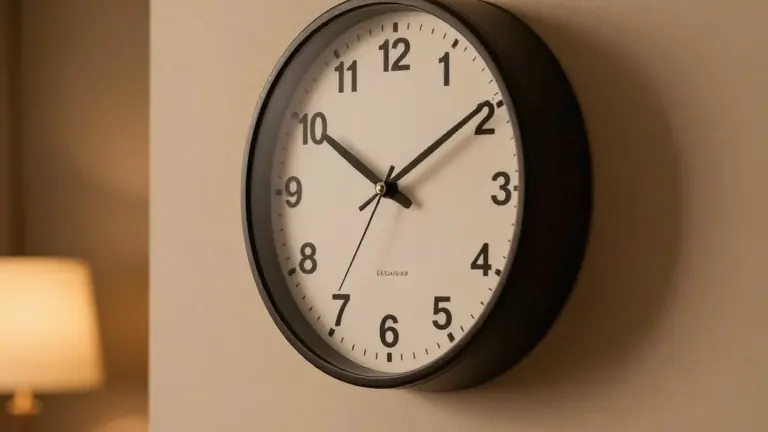
Sunday, November 1, marks the end of daylight saving time in the United States, adding one hour to the day as clocks turn back. This shift creates a specific window for residents to recover lost sleep, a period that medical professionals are urging people to utilize more effectively than in past years.
Dr. Mike Varshavski, a family medicine physician, notes that many individuals fail to capitalize on this additional time. He states that research indicates people typically use only about 60 percent of the bonus hour, resulting in an average of just 36 extra minutes of sleep. The Harvard Health Letter supports this finding, observing that the act of turning back the clock does not automatically translate into a meaningful increase in total sleep duration for the majority of the population.
The physical impact of this transition differs from the spring shift. While the American Heart Association has linked the spring forward clock change to a rise in heart attacks and strokes in the days immediately following the loss of an hour, the fall transition presents fewer adverse cardiac effects. Experts describe the move to standard time as more aligned with the body's natural circadian rhythm, although it still causes a temporary disruption in daily routines.
Varshavski explains that gaining an hour of sleep can be cardioprotective for sleep-deprived individuals. He suggests that the extra rest may lower blood pressure and reduce overall physiologic stress by dampening the body's fight-or-flight response. This potential benefit stands in contrast to the acute stress markers often observed after the spring time change.
To prepare for the shift, Varshavski recommends beginning to adjust nighttime habits 10 to 20 minutes earlier in the days leading up to the transition. He advises that maintaining a consistent wake-up time is more effective for regulating the internal clock than focusing solely on bedtime. General health practices, including morning sunlight exposure and regular exercise, also play a role in stabilizing circadian rhythms during this period.
The physician emphasizes a holistic approach to managing the time change. He encourages individuals to view the transition as an opportunity to reinforce other healthy habits rather than focusing exclusively on the extra sleep. By planning ahead and maintaining consistent routines, people can mitigate the minor physiological jolt associated with the clock change.
The shift to standard time will take effect at 2 a.m. on Sunday, extending the day by one hour. Medical professionals suggest that while the body requires a few days to fully adjust, the impact is generally manageable with proper preparation.
Source: NBC 6 South Florida