Israel's Election Deadlocked as Ebola Toll Tops 10,000
Record turnout leaves the next Israeli prime minister undecided, while the Democratic Republic of Congo reports a historic surge in Ebola cases and deaths.
By Beatriz Bailey ·
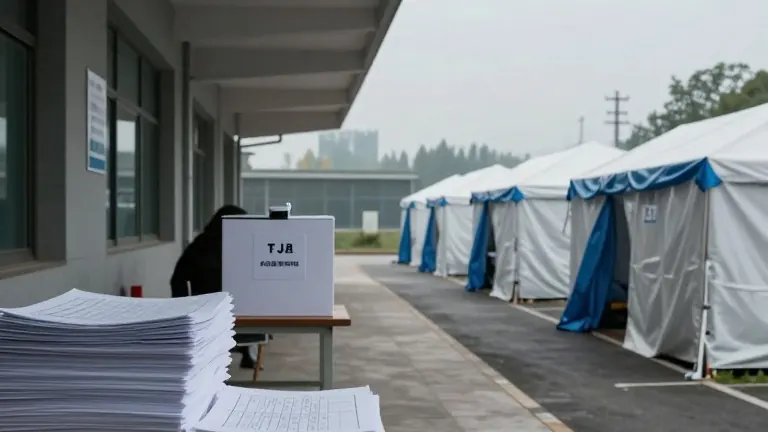
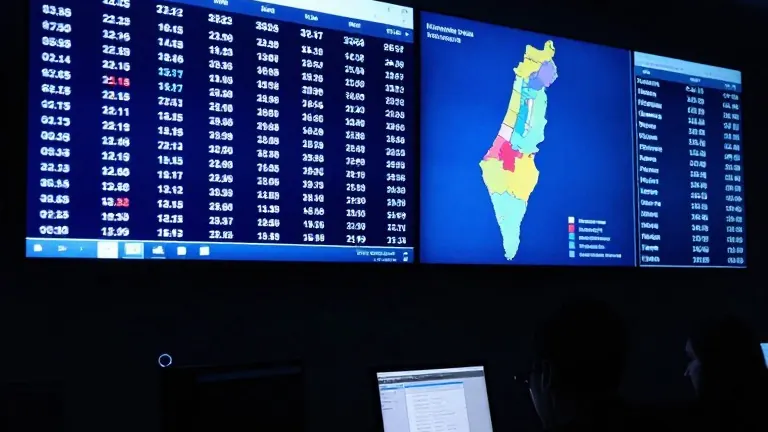
Voters in Israel cast ballots in record numbers on Tuesday, leaving the country without a clear winner and the next prime minister in limbo. The election pits incumbent Prime Minister Benjamin Netanyahu against his main challenger, Gadi Eisenkot, a center-right former military chief of staff. As of Wednesday, the race remains too close to call, with final vote tallies expected to take several more hours.
Election officials stated they anticipate finishing the count by Thursday afternoon. The leading candidate will have six weeks to assemble a governing coalition. This period often involves intense negotiations and the potential recruitment of defectors from opposing camps. Neither Netanyahu nor Eisenkot currently holds a guaranteed path to a majority in parliament.
Israeli residents went to bed Tuesday night believing Eisenkot held the advantage. By Wednesday morning, Netanyahu had pulled ahead, narrowing the gap between the two candidates. Eisenkot may secure a majority in parliament if he can leverage strong support from Arab-led parties. These groups have expressed a preference for Eisenkot as prime minister. However, Eisenkot's campaign has shown hesitation in forming a coalition with these parties. Distrust and the political demonization of Arab leaders following the attacks of October 7, 2023, complicate those negotiations.
Simultaneously, the Ebola outbreak in the Democratic Republic of Congo has reached a grim milestone. The country reported that more than 10,000 people have been infected since the outbreak was declared in May. This epidemic is spreading faster than any previous Ebola outbreak in history. It is also the largest in geographic scope, spanning from Nigeria to Kenya.
The death toll stands at nearly 5,000, making this the second-deadliest outbreak on record. Approximately one-third of those who have died are children. These figures reflect the severe strain on health systems across the affected region as the virus continues to move between borders.
President Donald Trump has been campaigning across tight Senate races in states including Texas, Mississippi, and Kansas. Midterm advertising spending has exceeded a record $11 billion, according to data from Ad Impact. An analysis by NPR found that candidates in four major Senate contests spent more than $15 million on fundraising ads during the 2025-2026 cycle.
Trump's rallies have included jokes about the physique of Ohio Senator Jon Husted, a tactic that entertains crowds but may distract from economic issues. Analysts note that while Trump’s base remains supportive, his need to rally votes in deep red states suggests potential challenges for the Republican Party. In Michigan, Abdul El-Sayed narrowly won the Democratic Senate nomination, marking a victory for the party's progressive wing.
The Federal Reserve is expected to hold interest rates steady at its meeting today. Consumer prices rose 3.7% in September compared to the same period last year, marking a larger annual increase than the previous month. Investors believe the central bank will remain cautious ahead of Election Day, with potential rate increases possible in December. The Labor Department's cost-of-living report indicates that prices are currently rising faster than average wages.
Source: WUSF Public Media