Methane Rules: Trump Administration Moves to Ease Oil and Gas Regulations
The EPA proposes scrapping a 2023 methane control rule, citing cost savings, while environmental groups warn the change will increase gas waste.
By Noah Ross ·
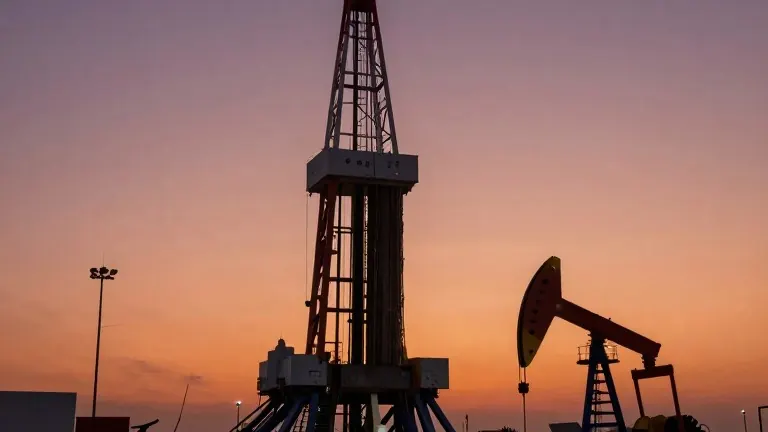
The Trump administration announced Tuesday in Lubbock, Texas, that it is proposing to dismantle key components of a 2023 rule designed to limit methane emissions from the oil and gas sector. President Trump framed the move as a cost-cutting measure that would boost domestic drilling and save the industry billions of dollars in production expenses. The proposal arrives as Republican officials seek to address voter concerns over high gas prices ahead of the midterm elections.
Methane is a potent greenhouse gas that traps heat at a rate 80 times greater than carbon dioxide over a twenty-year period. The Biden-era regulation targeted leaks from drilling sites, pipelines, and refineries across the United States. The new administration argues that the existing rules place an undue burden on energy producers and have hindered economic growth.
EPA Administrator Lee Zeldin defended the rollback in a press release, stating that the Biden agency had destructively targeted the workforce and businesses behind American energy production. He emphasized that the revision would occur under the Clean Air Act. The American Petroleum Institute, the primary trade group for the sector, expressed support for the proposed changes. Dustin Meyer, a vice president at the organization, said the industry looks forward to a more workable approach that provides regulatory certainty while still advancing emissions reductions.
Environmental advocates argue the new rules will actually increase costs for the industry by allowing more valuable natural gas to escape. Jon Goldstein, associate vice president at the Environmental Defense Fund, explained that methane is the primary component of natural gas. When leaks occur, that gas is lost rather than sold. Goldstein noted that capturing more gas offsets regulatory costs and improves energy security. He added that the current situation harms taxpayers who do not see the expected royalty and tax revenue from wasted fuel.
A central part of the proposal involves eliminating the Methane Super Emitter Program, which was set to begin in January 2027. This program would have allowed the government to rely on certified third parties, including private satellite networks, to identify and report massive leaks. Paasha Mahdavi, a political science professor at UC Santa Barbara, noted that methane is invisible and expensive to detect. Without the program, the government loses a key tool for identifying large leaks and prosecuting violators.
The EPA also plans to loosen regulations for low-volume marginal wells, which are considered to have low economic value. Goldstein challenged the assumption that these small wells produce few emissions. He pointed to satellite data showing that older, end-of-life wells are responsible for a large share of methane pollution in the production sector. The agency intends to hold a public hearing and accept comments for at least 45 days after the rule changes are published in the Federal Register.
Source: WUSF Public Media