Ohio group targets 10 charters in data center fight
A bipartisan coalition is pushing ballot measures in ten communities to ban hyperscale facilities, while a state constitutional amendment petition gathers signatures for a 2027 vote.
By Noah Ross ·
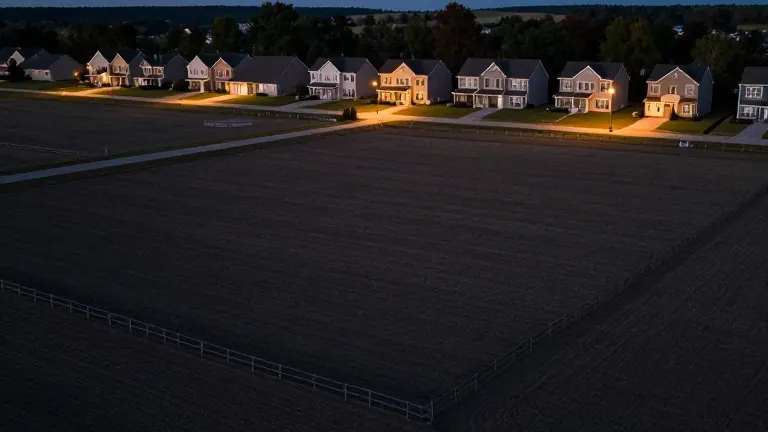
Nick Owens, a lifelong Republican and attorney in Mt. Orab, Ohio, spent years trying to uncover the details behind a 1,000-acre land sale that property records show went to data center developers in 2024 and 2025. The rural property borders two-story homes, creating a sharp contrast between farmland and residential life. Nondisclosure agreements blocked Owens from learning more, but his investigation led him to other local professionals. Together, they formed Conserve Ohio, a network of volunteers in nearly all 88 counties who include Democrats, Republicans, and Independents. The group was born from a specific grievance over secrecy in a village of 4,300 people.
The coalition’s current strategy focuses on local control. This fall, Conserve Ohio is supporting ballot initiatives in 10 communities. These measures would amend local charters to prohibit the construction of large-scale data centers used for artificial intelligence. This approach goes beyond the temporary pauses adopted by hundreds of other municipal and county governments. Owens argues that politicians often claim communities should have a say, and the upcoming votes will test that claim directly. The group is also working on a more ambitious goal: a petition to amend the state constitution to ban large-scale data centers statewide, with the aim of putting the measure before Ohio voters in 2027.
The push for local bans comes as the issue becomes a central theme in the midterms. Statewide candidates are courting voters concerned about data centers, though few have backed a sweeping moratorium. In the U.S. Senate race, former Senator Sherrod Brown, a Democrat, has framed his opponent, incumbent Republican Senator Jon Husted, as the face of data centers. Brown cites Husted's past support for tech investments as lieutenant governor. Husted counters that Brown supported data centers in the past and has introduced a bill in Congress to make developers pay for power grid upgrades. Senate Democrats blocked that bill, calling it toothless.
Grassroots organizers remain skeptical of political gestures. Linda Moodie, an independent volunteer, says she will vote for Brown because he has discussed the issue the longest, but she does not trust candidates to act without public pressure. Between now and election day, Moodie is collecting signatures for the statewide ban. Recently, she set up a booth at a Halloween celebration in Fairfield, handing out candy to children and petition clipboards to parents. Both were well received, suggesting that the issue resonates when it hits close to home.
Republican enthusiasm in rural areas appears to be cooling. Owens, who served as a Trump delegate in 2024, notes that campaign yard signs are scarce in Mt. Orab, a county that voted 80% for President Trump in the last election. He attributes part of the dampened energy to $6 diesel and the data center controversy. President Trump has criticized opponents on his social media platform, writing that communities wanting to end data centers want to be backward and poor. Owens calls these comments tone deaf, arguing that residents simply want to preserve their regular way of life.
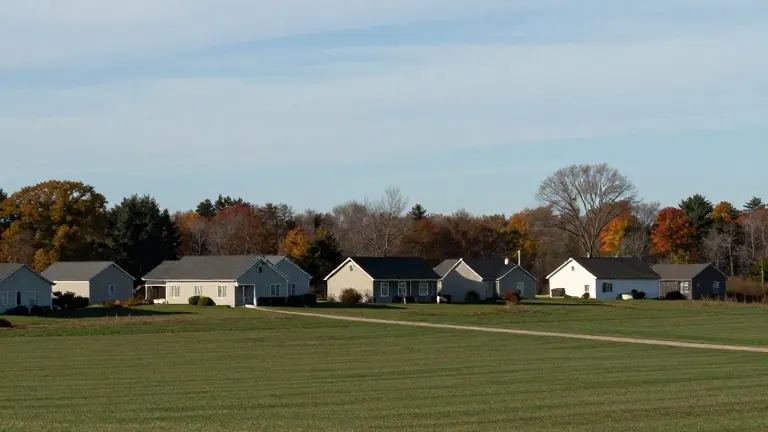
Construction at the Mt. Orab site has not yet begun. Because of the nondisclosure agreements, residents know little about the timeline. On a recent crisp fall day, the property was silent except for birds. The group’s next major step is finalizing the signature count for the 2027 state ballot measure.
Source: WFAE