UN peacekeeping force exits Western Sahara after 35 years of stalemate
A veto by Russia at the Security Council ended the mission's mandate, leaving a mineral-rich desert territory without international monitors.
By Anthony Hoffmann ·
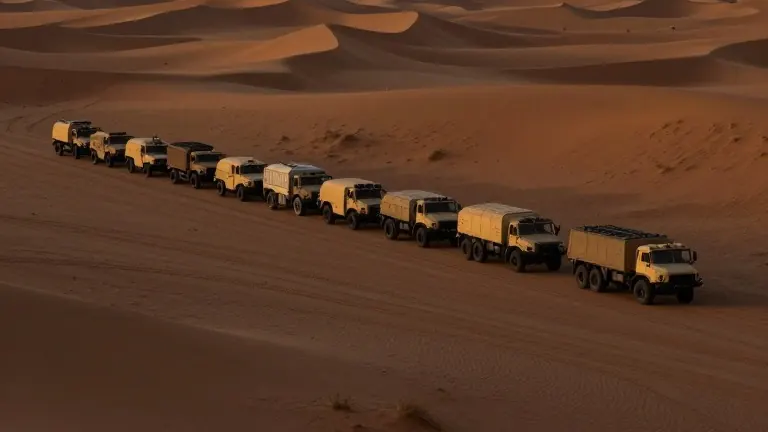
The United Nations ended its 35-year peacekeeping operation in Western Sahara on Sunday, November 1, 2026. The abrupt conclusion of the mission followed a deadlock at U.N. headquarters where the United States and Russia failed to agree on the territory's future status. Stéphane Dujarric, the spokesperson for the U.N. secretary general, confirmed the start of the liquidation period in a statement. He noted that a smaller team will now manage the transport of assets to their home countries and the disposal of U.N. equipment.
The mission ceased because of conflicting votes in the U.N. Security Council on Friday. Russia vetoed a draft resolution from the United States that would have supported Morocco's claim to full sovereignty and ended the mission the following year. Subsequently, a rival Russian proposal to extend the mission's duration was voted down. This sequence of events left the peacekeeping force without a valid mandate, forcing its immediate wind-down despite repeated extensions since its inception in 1991.
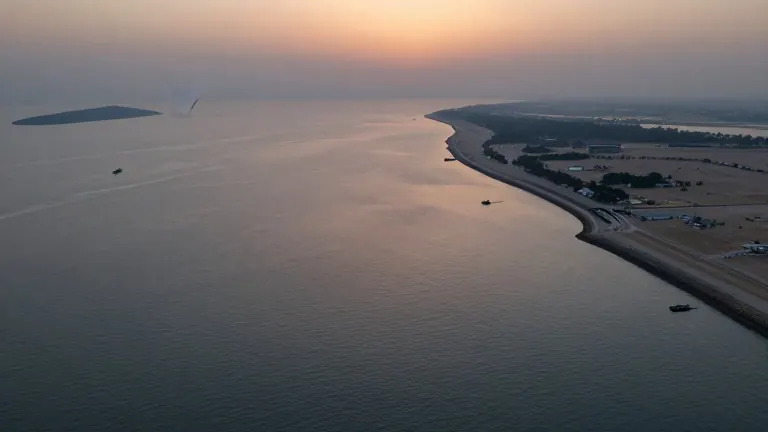
Western Sahara is a vast desert region along Africa's northwestern Atlantic coast, roughly the size of Colorado. It is rich in minerals and fisheries but remains politically contested between Morocco and the pro-independence Polisario Front. The territory was once ruled by Spain and is currently administered by Morocco, except for a narrow strip east of a sand wall built by Rabat. The U.N. classifies the area as a non-self-governing territory, a designation critics describe as Africa's last colony.
Regional reactions to the mission's end were sharply divided. Morocco's royal palace welcomed the non-renewal, labeling the mission an instrument used to internationalize the dispute. In contrast, the Polisario Front, backed by Algeria, called the decision unacceptable. The Algerian foreign ministry expressed profound regret and criticized what it termed the excessive bias present in the U.S. draft resolution. Algiers views full Moroccan sovereignty as a major diplomatic defeat and has maintained a tense relationship with Rabat since severing diplomatic ties in 2021.
The conflict in Western Sahara has roots in the 1975 annexation by Morocco, which escalated into an armed war lasting more than 15 years. According to the French Senate, the fighting claimed more than 16,000 lives on both sides. A U.N.-brokered cease-fire took effect in 1991, leading to the creation of the U.N. Mission for the Referendum in Western Sahara, or MINURSO. The original plan called for a vote on self-determination, but the referendum never occurred due to disputes over the voter list. Morocco wanted to include residents of the territory it controls, while the Polisario Front insisted on using Spain's colonial census to prevent a tilt toward integration.
The expired mission authorized 534 personnel and carried a budget of more than $62 million for the 2026-2027 period. Egypt, Ghana, and Pakistan were the top military contributors to the force. Over the mission's lifetime, twenty personnel lost their lives. The U.N. force had been operating under a mandate that was repeatedly extended, but the recent security situation prompted concern. The U.N. reported last month that the territory has experienced low-intensity hostilities since the Polisario Front withdrew from the 1991 cease-fire in 2020.
The U.N. secretary general called on all parties to respect the rights of the people of Western Sahara and exercise maximum restraint. He expressed concern about the security situation and the risk of escalation. The end of the monitoring mission removes a key check on the region, which remains a major flashpoint in the rivalry between Morocco and Algeria.
Source: Central Florida Public Media