Waymo Launches Driverless Rides in Tampa, Expanding Access for Non-Drivers
The service covers 50 square miles and offers a new option for visually impaired residents and older adults facing transportation gaps.
By Anthony Hoffmann ·
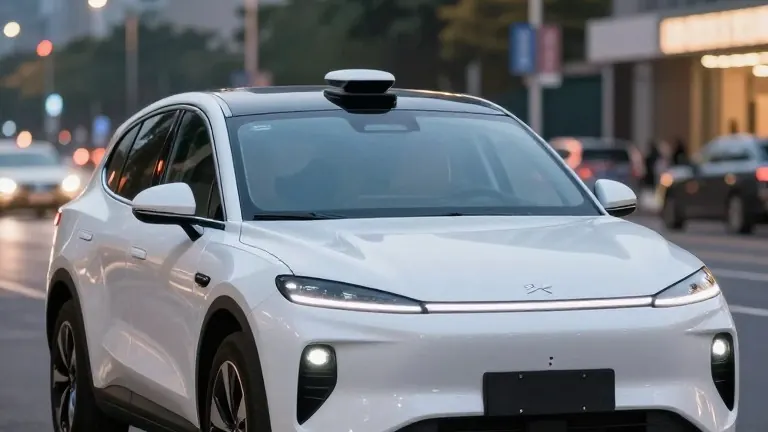
Waymo’s fully autonomous ride share service opened to the public in Tampa on Oct. 14, following a limited launch in September. The expansion adds Tampa to a list of 20 cities where the service operates, including Orlando and Miami in Florida. The initial service area covers approximately 50 square miles, encompassing Hyde Park, Westshore, Water Street, and Ybor City. The company is currently testing vehicles in Pinellas County.
For many users, the service provides a practical alternative to traditional ride shares. Chelsea Bridges, a visually impaired client of the Florida Lighthouse for the Blind, has taken seven rides with the service. She noted that identifying the correct vehicle is difficult due to her limited vision. Entering the car also presents physical challenges. "My foot always catches and I almost end up, like, falling into the car because it's higher than normal," Bridges said.
Once inside, the driving style impressed Bridges. "Whoever's doing it, there's no hesitancy," she observed. The automated voice system also assists passengers by announcing when they are approaching their drop-off point. For visually impaired riders, the service removes barriers found in traditional cabs. Debbie Malone, president of Tampa’s National Federation for the Blind of Florida’s chapter, stated that some drivers deny rides to passengers with white canes or guide dogs. "With Waymo, they're not going to turn you down," Bridges said.
Older adults also benefit from the expanded transportation options. Laura Streed, director of outreach and engagement for AARP Florida, noted that people often outlive their ability to drive by seven years. "So having more transportation options is so important," Streed said. AARP has implemented a buddy system to help seniors use the required app and unlock the vehicles independently.
Waymo reports that its fully autonomous rides are over 10 times safer than the average human driver, with 95 percent fewer serious injury crashes. However, local incidents have occurred. After a Buccaneers game earlier this month, a vehicle drove on the wrong side of the road before stopping. Waymo stated the vehicle briefly entered a temporary one-way street before their team corrected the issue. Passenger Matthew Reardon said he would ride again but not from a large crowd.
The vehicles rely on automated maps created through detailed pre-launch testing and real-time sensor data. Sensors including cameras, radars, and LiDAR provide a 360-degree view of the environment. This system allows the computer to predict the movements of pedestrians, cyclists, and other vehicles while managing speed and steering.
Source: WUSF Public Media