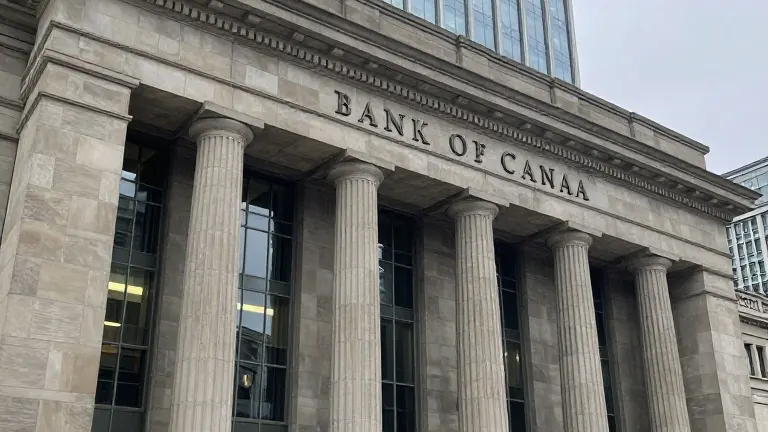
Federal Reserve: Holding Rates Steady Amid Persistent Inflation
The central bank kept borrowing costs unchanged on Wednesday, citing labor market caution despite consumer prices rising 3.7% annually.
By Noah Ross ·
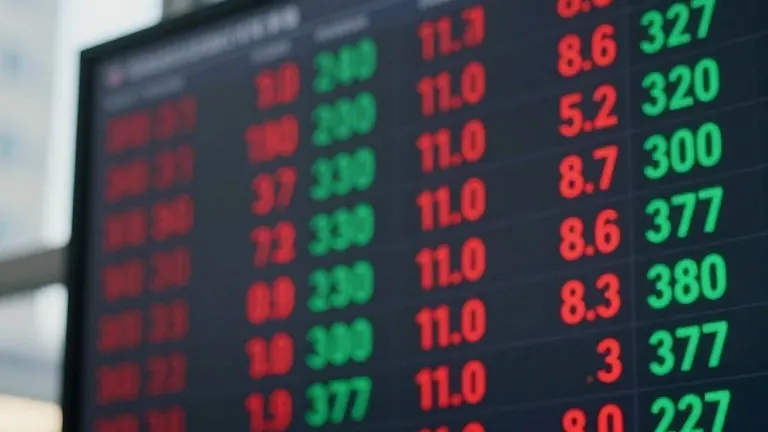
The Federal Reserve left interest rates unchanged on Wednesday, a decision that keeps borrowing costs at their current level for at least the next six weeks. The move was widely anticipated by market participants, who had priced in a high probability of a hold. This decision comes as consumer prices continue to climb, with annual inflation running at 3.7%.
The Fed’s preferred inflation gauge remains 50% above the central bank’s target. Despite these figures, Chairman Kevin Warsh explained that the committee is waiting to see how the economy responds to the rate hike implemented last month. That September hike marked the first increase in more than three years. Warsh noted in a press briefing that interest rates affect every sector of the economy. He stated, “Interest rates get in the cracks,” and added that they affect everything.
The decision to pause was driven partly by concerns over the labor market. The U.S. economy added only 29,000 jobs in September, a figure well below initial expectations. Data revisions showed that the economy added 60,000 fewer jobs in the two months prior than originally reported. Unemployment remains at 4.2%, but economists describe the current environment as one of low hiring and low firing. This suggests that while current employment is stable, job mobility has become more difficult.
Bond markets also factored into the decision. Treasury yields moved higher following the last rate hike, reaching multi-decade highs at one point. While yields have since returned to levels seen in mid-September, they remain relatively elevated. High bond yields act similarly to the federal funds rate, slowing economic activity and inflation. The Fed also sought to avoid surprising investors, as markets had priced in a 91% chance of a hold according to CME’s FedWatch tool. A sudden hike could have triggered a painful rebalancing in financial markets.
Critics argue the Fed is repeating a past error by assuming current inflation is temporary. In 2021, the central bank dismissed rising prices as a result of supply shocks related to the Russia-Ukraine war and supply chain issues. That assessment proved incorrect, leading to a peak in consumer prices of 9.1% annually, the highest rate in four decades. The Fed was forced to raise rates aggressively, including three consecutive hikes of three-quarters of a percentage point.
Inflation is currently spilling over into other sectors. The September consumer report showed a rebound in housing and rent costs, which had cooled earlier in the year. Prices for services such as yoga studios and lawn care also rose more than expected. Additionally, investment in data centers and artificial technology is driving up costs for electricity, building materials, labor, and personal devices like smartphones and laptops.
Geopolitical factors add to the uncertainty. President Donald Trump has hinted that the United States and Israel may escalate the war with Iran after the midterm elections. Such an escalation could push oil prices higher. Conversely, the energy ceasefire between Russia and Ukraine has held steady, increasing diesel production and potentially lowering global prices. The Fed is waiting to see which trend dominates before acting again.
The next scheduled meeting is in December. If energy prices spike due to renewed conflict, the Fed may face pressure to hike rates by a half point or more. This would be a larger adjustment than currently anticipated. The central bank aims to avoid the sharp, successive hikes of 2022, which caused the stock market its largest annual decline since the financial crisis and froze the housing market, though the economy avoided a recession.
Source: CNN
More Business · Consumer Alerts · Report a business · Got a Story?