Hebron Lockdown Displaces 2,000 Residents
Israeli forces have sealed off the West Bank’s economic center following a checkpoint attack, forcing locals to shelter displaced families in private homes.
By Noah Ross ·
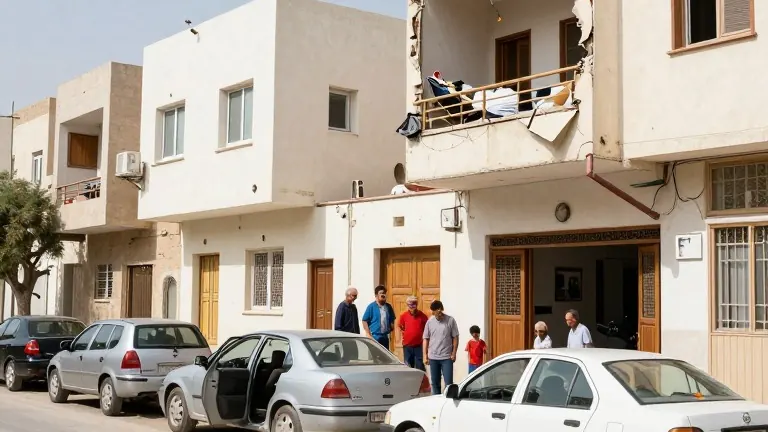
More than 2,000 Palestinians have been forcibly displaced from their homes in Hebron, according to city officials. The figure represents a sharp increase in internal migration within the West Bank's primary economic hub. Nearly half of the displaced group are babies and children under the age of 18. The group also includes 81 pregnant women and 204 elderly individuals.
The displacement followed a military operation that began on Friday. Two Palestinians attacked an Israeli checkpoint in the Farsh Al-Hawa area, killing two soldiers and wounding others. Both gunmen were killed in the exchange. Israeli forces subsequently placed the city under lockdown and launched an assault focused on the gunmen's neighborhood.
Finance Minister Bezalel Smotrich ordered the destruction of local infrastructure. He holds the West Bank portfolio within the Ministry of Defence. Israeli forces demolished a three-story building and industrial facilities in Farsh Al-Hawa. The area is now barely recognizable to residents who have returned to observe the changes.
Local authorities formed a crisis group to manage the response. The committee includes government agencies, private sector representatives, and civil society organizations. Riyadh Khamis, a member of the committee, stated that philanthropists opened their homes to displaced families. He said temporary shelters were insufficient for the scale of the crisis. Khamis described Hebron as a city defined by social solidarity, noting its history of offering aid during previous crises.
Real estate developer Mohamed Al-Rujoob acted early in the crisis. He owns several apartments in Dura, a town near Hebron. He announced that his units were available to displaced families, prompting other owners to offer their properties. Al-Rujoob now houses three extended families, which includes 30 children. He stated that preserving people's dignity was essential, noting that all Palestinians live under the same occupation.
The Israeli army says the lockdown covers nearly 1 million Palestinians in the city and wider district. Schools have switched to online classes for their students. Hebron's universities made similar arrangements for their 18,000 students until the operation ends. Movement is especially restricted in the Fawwar refugee camp, which is home to nearly 8,000 people. Israeli soldiers closed the camp's entrance gate on Saturday, preventing residents from entering or leaving even on foot.
Abdel Fattah Al-Ttitti, a teacher in the camp, said residents were locked in. He noted that a patient might be taken to a clinic in Masafer Yatta, but the facility is poorly equipped for emergencies. Many in Hebron believe the campaign has a political dimension. Israelis vote in a general election on Tuesday. Prime Minister Benjamin Netanyahu's coalition is competing for right-wing votes. National Security Minister Itamar Ben-Gvir and Settlement Affairs Minister Orit Strook live in settlements near Hebron and support removing Palestinians from the region, a policy they call voluntary migration.
Source: Al Jazeera