Is it real? Musicians question the state of 2026 music
From AI fakes to digital recording debates, artists and fans grapple with a surge in perceived artificiality in the industry.
By Noah Ross ·
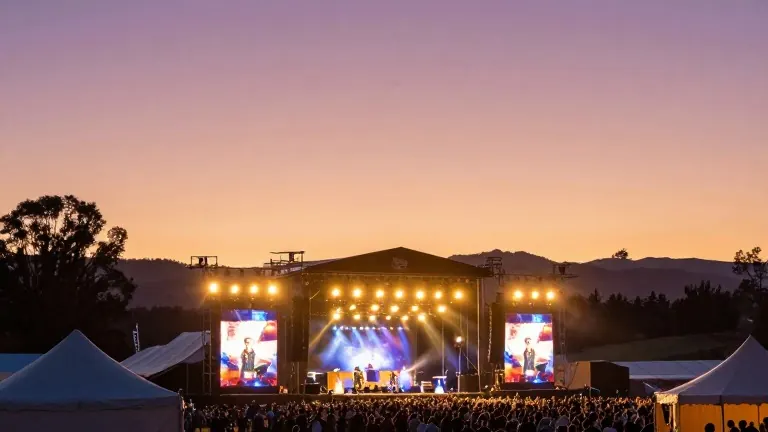
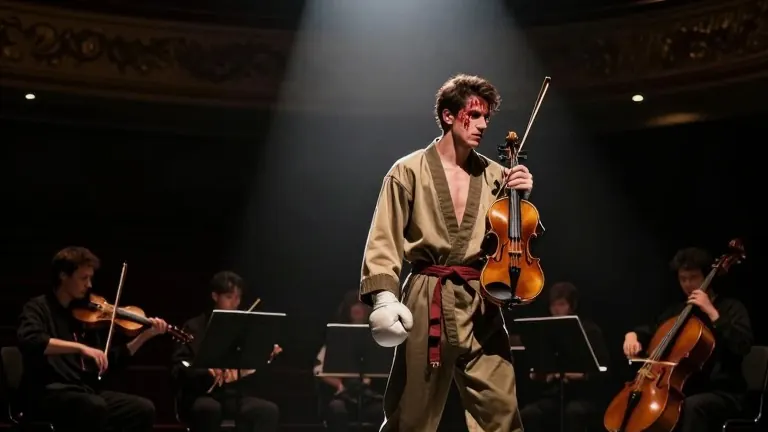
Caspian Hollywell of the New Orleans rock band Twisted Teens sings the question that defines 2026 music: Is it real? The band’s raw, punky garage sound offers a counterpoint to a mainstream pop scene plagued by allegations of chicanery and manufactured success. Listeners report a chaotic environment where viral stars are often rigged, identities are faked, and even The Rolling Stones have been criticized for de-aging themselves in recent videos.
This anxiety is not new. In 1979, guitarist Ry Cooder released Bop Till You Drop, the first album by a major label artist recorded digitally. While Cooder initially appreciated the clarity, he later admitted the sound felt thin and cold compared to analog tape. A decade later, session singer Yvette Marine accused pop star Paula Abdul of using a composite voice on the hit Opposites Attract. Marine lost her lawsuit, but the incident sparked a debate over whether studio tools were eroding genuine musical expression.
Historians note that every new technology triggers similar disputes. In 1929, a Christian Science Monitor correspondent argued that radio broadcasts were a true miniature of live events. By 1969, Washington Post critic William C. Woods called the Woodstock film and album both a treasure and a fraud due to editing and audio fidelity issues. Listeners eventually adjusted to innovations like Donna Summer’s synthesizer-driven disco and The Monkees’ on-camera charisma, accepting that production techniques did not negate the music's value.
Today, the pressure is amplified by AI and social media. Artists like Mandy, Indiana, underscores, and GENA are gaining acclaim for their DIY methodologies and confrontational styles. They position themselves as a vanguard fighting against what they describe as the black hole of AI slop. Hollywell asserts that his band’s authenticity is undeniable, telling interviewers, You can like us or you can hate us, but you can't say we're not real.
The concept of authenticity is multifaceted. In their 2007 book Faking It, scholars Hugh Barker and Yuval Taylor identify three types: representational, cultural, and personal. Representational authenticity asks if the artist actually performed the work. Cultural authenticity looks at ties to specific communities. Personal authenticity questions whether confessional lyrics stem from the artist's own experience. These frameworks help listeners determine what feels genuine.
Social factors also influence these judgments. Cooder, a white artist with a strong track record, was granted leeway to explore Black musical traditions. Abdul, a Jewish woman of Syrian descent who started as a cheerleader, faced more scrutiny for her work in R&B. Critics like Robert Christgau labeled her an imitation, while others defended her showbiz approach. The current discourse reflects similar tensions, where identity and technology intersect to challenge listeners' trust in what they hear.
The music industry continues to evolve, with new tools serving both artistic and commercial interests. Holographic shows like ABBA Voyage in London have become popular since 2022, mirroring how Bing Crosby’s radio broadcasts comforted listeners in the 1940s. As AI and digital fabrication become more common, the debate over what constitutes real music remains as heated as it has been for a century.
Source: WUSF Public Media