Why Dunedin Students Prefer Tiny Rooms
A random draw system and winter heating costs are changing how students in Otago view cramped living spaces.
By Noah Ross ·
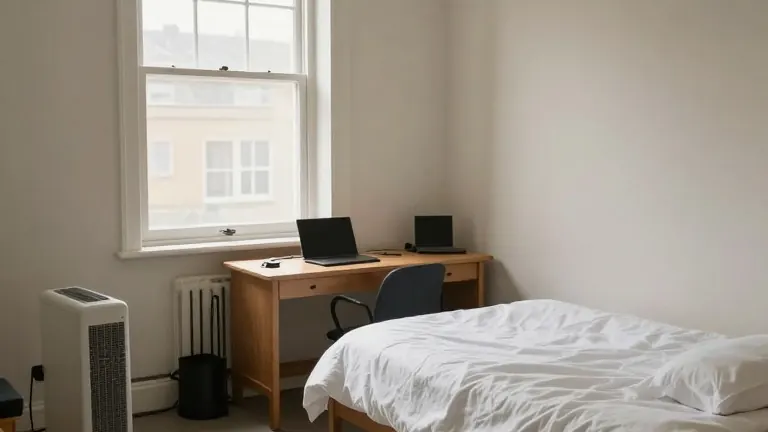
Students in Dunedin are increasingly choosing the smallest bedrooms in shared houses, a shift driven by practical benefits like lower heating costs and a lack of negotiation conflict. This trend has gained traction among residents in Otago, where uneven room sizes are common due to historical property renovations.
The architectural history of Dunedin contributes to the uneven distribution of space in student housing. Landlords have spent decades subdividing properties to create additional rentable units. This process often results in bedrooms that vary drastically in size. When new tenants sign leases, they frequently discover these disparities only after viewing the property. One room may fit a queen-sized bed with centimeters to spare, while others offer ample floor space.
Many student groups now use random drawing methods to assign rooms. This approach replaces lengthy negotiations that can lead to social friction. In previous years, flatmates would debate who takes the smallest room, often leading to one person feeling pressured to accept the least desirable space. A random draw removes personal judgment from the process. Students report that accepting a small room through chance makes it easier to accept the assignment without resentment.
The physical constraints of a small room encourage residents to manage their belongings more strictly. Limited floor space forces students to evaluate the utility of each item. Many sell unused clothing or donate furniture to newer students. This curation process leads to a more organized living environment. Residents report that they develop a stronger attachment to the few items they keep because every object must earn its place in the room.
Winter conditions in Dunedin provide a practical advantage for occupants of small rooms. Larger rooms often require more energy to heat, leading to higher individual contributions to the power bill. A small room heats up quickly with a standard space heater. Residents of compact spaces report using personal heaters less frequently than their neighbors. One student noted that their small room became warm within ten minutes of turning on the central heat pump, while a neighboring room required a sleeping bag.
The current academic year is ending, and many students are preparing to move out. The process of packing and organizing small rooms is described as a final step in the student experience. Residents are clearing out accumulated items, leaving behind only essentials. As they depart, many express a fondness for the compact spaces they occupied, citing the unique comfort and efficiency they provided during the year.
Te Oraka, a local student organization, holds an annual sale at the start of the year where students can buy discounted goods. This event serves as a resource for new tenants who need to furnish compact rooms with efficient storage solutions. The cycle of students moving in and out ensures a steady supply of used furniture and household items in the Dunedin market.
Source: Critic Te Ārohi