Lula's vote surge defies first-round odds
Student protests and a digital push helped the incumbent add 10 million votes to win the runoff.
By Beatriz Bailey ·
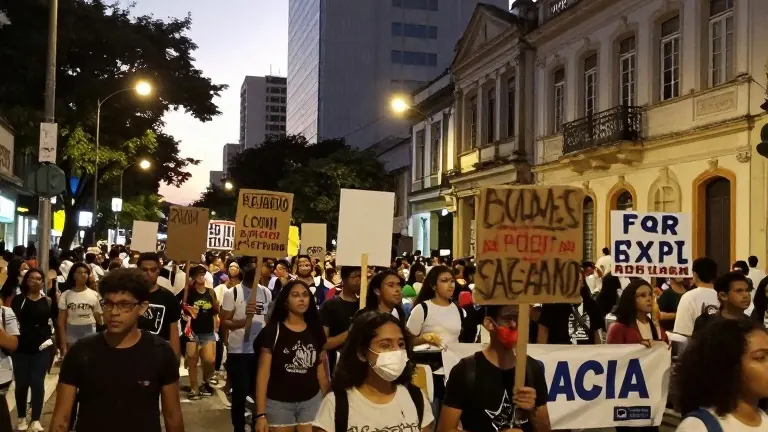
Brazilian voters who feared a return of the Bolsonaro family to power found a new path to influence during the three weeks between the first round and the runoff. Student demonstrations in Rio de Janeiro and social media coordination transformed a perceived defeat for the incumbent into a narrow victory, altering the political trajectory of the country.
After finishing second in the initial vote, President Luiz Inácio Lula da Silva told allies he was confused by the results given his administration’s performance. Analysts predicted a landslide for Senator Flávio Bolsonaro because nine million voters from other right-wing candidates were expected to consolidate behind him. Instead, Lula expanded his support base from 53.9 million votes in the first round to 64.2 million in the runoff.
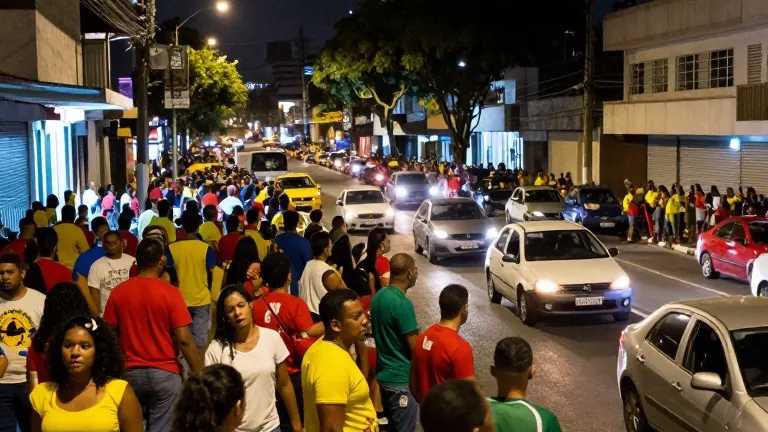
The turning point began in Niterói, where students from Fluminense Federal University protested against the prospect of another Bolsonaro in power. Two days later, similar demonstrations took over downtown Rio and spread organically across the nation. Political scientist Fábio Vasconcellos noted that these street actions, combined with digital strategy and government spending, drove the comeback. He stated that the mood of defeat was gradually replaced by hope of a turnaround.
A key element of the digital strategy was a WhatsApp channel created by Congressman André Janones, a Lula ally, two days after the first round. The channel, dubbed “Lula’s Army,” grew from 60,000 followers on its first day to over 10 million by election day. Janones sent daily instructions on creating effective pro-Lula content. Lula, who does not own a mobile phone, began recording selfie videos to match this digital reach. He called Janones “our general” in his victory speech, praising him for raising troop morale daily.
Lula also leveraged his executive powers, approving a package of benefits that increased and advanced cash transfers to poor families, a move critics say pushed the limits of electoral law. This financial stimulus coincided with a broad rejection of the Bolsonaro project among undecided voters. Political scientist Camila Rocha, who interviewed voters since May, said fear of losing rights and concentration of power drove many to support Lula, even those who did not prefer him initially.
Flávio Bolsonaro, who led the first round with 56.1 million votes, gained only 3.7 million additional votes in the runoff. He faced recent controversies, including statements about using a conservative Congress to change the constitution and two federal police investigations into alleged corruption. Despite these factors, many analysts credited Lula’s personal weight as the decisive factor. Campaign manager Marco Aurélio de Carvalho called the incumbent a “star player” who made the difference.
Lula defeated Bolsonaro in the runoff, a historic event where a second-place candidate overturned a first-round deficit in Brazil’s democratic history. The president, who turns 81 on Tuesday, has stated this is his last election. His victory was marked by a 10-million-vote increase, achieved through persuading abstainers to vote and converting supporters of other candidates, including Bolsonaro’s base.
Source: The Guardian