Midterm Election Pressure: Officials in Non-Traditional Battlegrounds Face New Scrutiny
Local election administrators in states like Texas and Iowa are preparing for heightened national attention as more congressional races become competitive.
By Anthony Hoffmann ·
Tina Barton, who served as city clerk in Rochester Hills, Michigan, says the main difference between running an election in a battleground state and elsewhere is how mistakes are perceived. In non-competitive areas, human errors are easily explained in the press. In swing states, the same error can quickly turn into a massive conspiracy theory.
Barton experienced this pressure directly in 2020 when her office accidentally sent an unofficial absentee vote file twice. The initial transmission failed to register, prompting the duplicate send. The error did not affect the final vote count and was corrected the next day. However, the incident drew national attention and personal threats.
The chairwoman of the Republican National Committee accused Barton’s office of improperly awarding votes to Democrats. Barton received numerous death threats, including a voicemail stating she deserved a "throat to the knife" because she had "frauded out America of a real election." More than five years later, election officials in traditional swing states like Michigan, Georgia, and Arizona are accustomed to this level of scrutiny.
This year’s midterms present a different challenge. Because the races deciding control of the U.S. House and Senate are spread across the country, local officials in states like Iowa, Alaska, New York, and Kansas may find themselves in the national spotlight for the first time. Chris McGinn, executive director of the Texas Association of County Election Officials, notes that Texas has been a reliable Republican state for nearly 50 years. This stability meant fewer competitive federal elections and less pressure on voting officials.
McGinn has spent much of his time preparing clerks for a potential shift in dynamics. The U.S. Senate race in Texas could determine the balance of power in that chamber. The Republican nominee for that seat sought to help President Trump overturn his 2020 election loss. McGinn says many members still operate under the mindset that such issues happen elsewhere. He often tells them, jokingly but realistically, that they do not want to be Florida in 2000.
The overall threat environment for voting officials appears calmer than in the period following the 2020 election. Wendy Link, supervisor of elections for Palm Beach County, Florida, says her office still receives what she calls "love letters." These are emails intended to intimidate, some suggesting she will be sent to Guantanamo Bay. Link says she does not currently seek a security detail, though she acknowledges the messages are meant to be threatening.
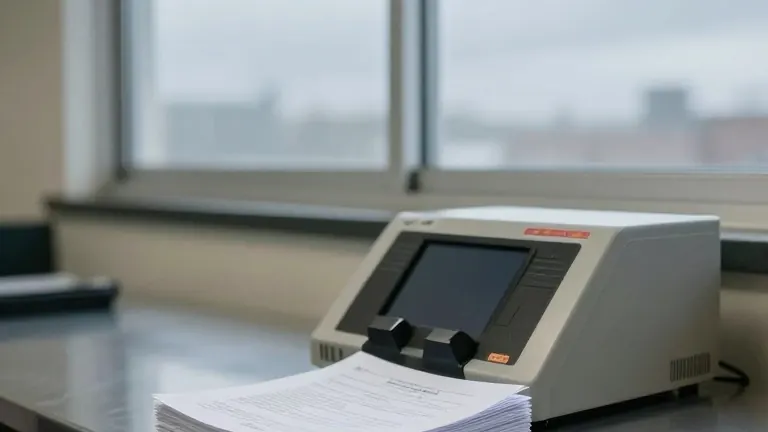
Barton, now vice president of the Committee for Safe and Secure Elections, warns that pressure could escalate if the midterms are close. She says controversy can find officials in red or blue states alike. Common issues like ballot equipment failures, jams, or website outages provide the raw material for misinformation. Researchers note that false narratives often stem from these real events, which are then exaggerated by influencers and politicians.
The Committee for Safe and Secure Elections doubled the number of trainings it led compared to 2024. This increase reflects new concerns regarding the Trump administration’s actions in elections and a broader understanding of battleground dynamics. When Barton speaks with officials in competitive districts, her advice is direct: they better be on their game.
Source: WUWF