Nvidia Drones Become Holiday Favorite
Viral footage of a robot duck demonstration triggered a surge in preorders, positioning the device as a potential top seller for the upcoming holidays.
By Noah Ross ·
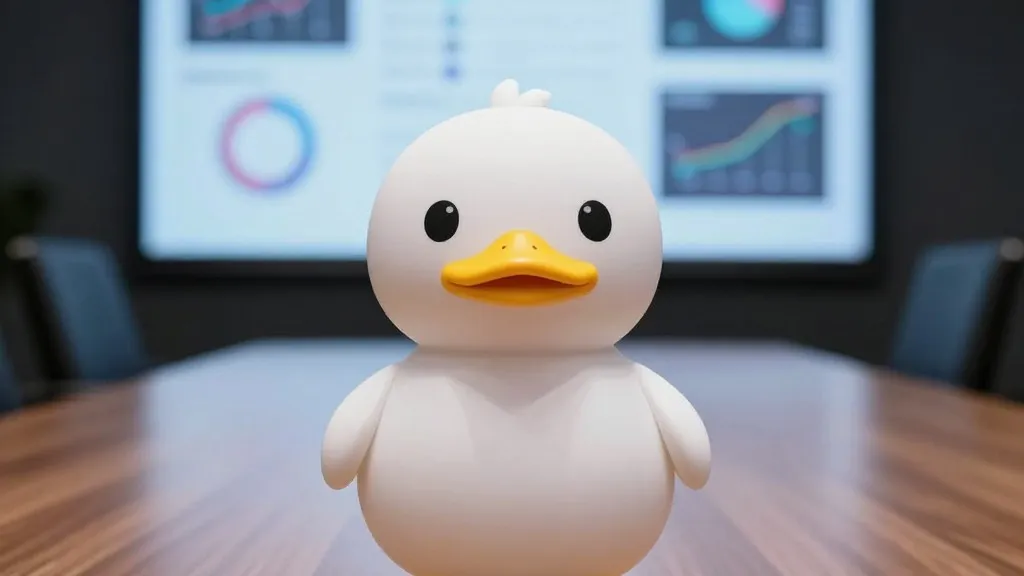
Preorders for the Microduck robot exceeded 20,000 units within 24 hours of a viral keynote demonstration, according to data released by Hugging Face leadership. The rapid uptake suggests the device is poised to become a dominant holiday item, challenging traditional consumer electronics in the toy sector.
The surge in interest followed a video showing Jensen Huang, CEO of Nvidia, interacting with a group of the small robots during the GTC Berlin conference earlier this week. In the footage, the devices were seen waddling, making high-pitched mechanical sounds, and performing somersaults in response to voice commands. The clip quickly spread across social media, capturing the attention of both tech enthusiasts and general consumers.
Clem Delangue, the head of Hugging Face, confirmed the preorder numbers via social media. He noted that the devices are expected to arrive in time for the Christmas season. Delangue suggested that the Microducks could finish as the year’s best-selling robot, a category that has historically been dominated by devices aimed at children. However, promotional materials indicate that adults are also a primary target demographic for the product.
The Microducks are the result of a complex corporate acquisition chain that consolidated significant tech assets under the Nvidia umbrella. The robots are produced by Pollen Robotics, a company that Hugging Face acquired in 2025. Subsequently, Nvidia purchased Hugging Face in September of this year. This sequence of events means the Microducks are now effectively an Nvidia product, representing the second robot developed under the Hugging Face banner after the earlier release of the Reachy Mini.
The device operates on an open-source platform, a design choice intended to foster community engagement and customization. The initial capabilities of the Microducks were developed using Nvidia’s technology stack. During the training process, simulated versions of the robots were taught basic motor functions, including walking, sitting, and standing, which are pre-loaded into the hardware at the time of purchase.
Pollen Robotics has stated that owners will have the ability to train their individual units to perform new tricks. Once mastered, these custom actions can be shared with the broader user community, potentially creating a library of unique behaviors for the device. This feature aims to extend the lifespan of the toy by allowing for continuous interaction and personalization beyond the factory settings.
The timing of the release is notable. The AI sector faced significant scrutiny earlier this week, with multiple cyberattacks attributed to artificial intelligence systems. This negative coverage created a contrast with the lighthearted reception of the Microduck demonstration. The viral nature of the video provided a moment of levity in an industry dealing with serious security concerns.
Analysts watching the market are noting the shift in consumer sentiment toward interactive AI devices. The Microducks’ success relies heavily on their aesthetic appeal and the novelty of seeing a high-profile executive engage with the technology in a playful manner. The device’s ability to perform physical actions, such as falling over for a simulated nap, adds to its charm and distinguishes it from static smart speakers or simple remote-controlled toys.
With delivery expected before the holiday rush, the Microducks face a critical test in the coming weeks. If the preorder momentum holds, the device could redefine expectations for consumer robotics. The integration of Nvidia’s powerful computational capabilities into a small, affordable toy signals a potential expansion of high-end AI technology into the mass consumer market.
The next phase for the product will involve mass production and logistics to ensure the 20,000 preordered units are shipped on time. Any delays could impact the holiday sales window, which is crucial for toy retailers. The community-driven aspect of the device will also be closely watched to see if user-generated tricks gain traction, potentially driving secondary sales and long-term engagement with the brand.
Source: TechCrunch · original report published