SpaceX declines military contracts, rocket progress
A major space company turns down government offers while European and Canadian rivals advance their next-generation launch vehicles.
By Noah Ross ·
For everyday consumers who rely on satellite technology for internet, navigation, or weather forecasts, this week brought a mix of strategic shifts and engineering hurdles in the commercial space sector. While the changes do not immediately alter the price of your streaming service or the accuracy of your GPS, they signal how the industry is balancing military partnerships with the technical challenges of deep space exploration. The most significant immediate impact is a shift in launch availability, as one of the largest private space companies has made a deliberate choice to step back from certain government contracts.
The numbers surrounding these developments highlight the scale of the operations involved. In a notable move, SpaceX informed the U.S. Space Force that it would not pursue three offered military launch contracts. This decision affects the logistics of national security payloads, potentially requiring the military to seek alternative providers or adjust its scheduling for the near future. On the engineering side, data from a NASA safety panel indicates that the company’s Starship vehicle may require as many as 22 separate refueling operations in space to support a lunar landing mission. This high number of tanking events presents a complex logistical challenge for future crewed missions to the moon.
The people and companies driving these changes include key figures in the European and Canadian space sectors. In Spain, Raúl Torres, the CEO of PLD Space, provided an update on the company’s Miura 5 rocket. Torres noted that the manufacturing of three such vehicles has allowed their teams to continuously apply lessons learned from previous qualification campaigns directly to the final launch vehicle. Meanwhile, in Canada, Reaction Dynamics is preparing to expand its workforce significantly to support its ambitious roadmap for both small and medium-lift rockets.
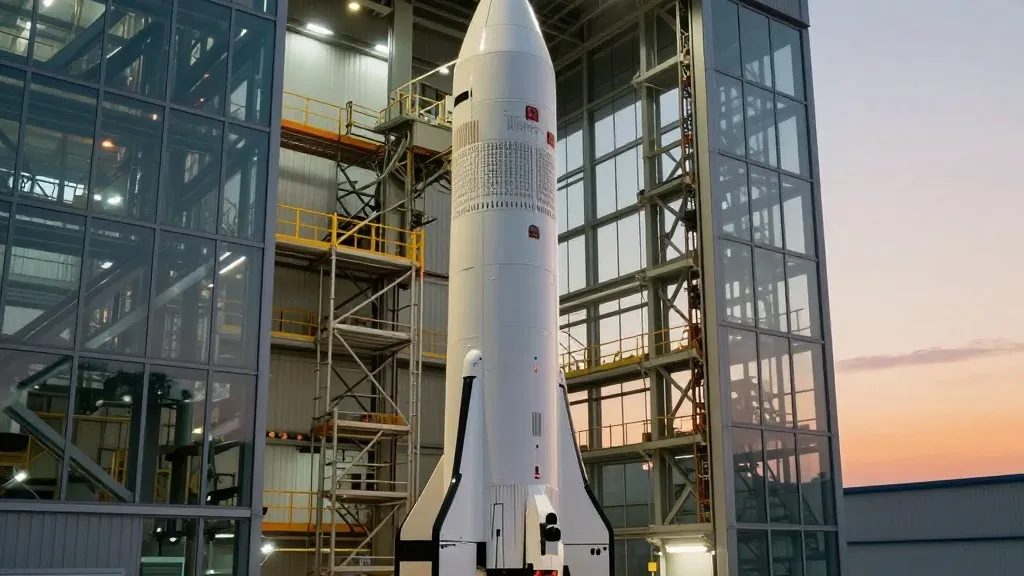
PLD Space is nearing the final integration of its Miura 5 rocket, which is scheduled for its inaugural launch next year. According to reports from Aviation Week, the company is targeting a first flight for this small-lift vehicle before mid-2027. One of the three Miura 5s manufactured by the company is currently undergoing critical tests. The second stage of this vehicle is fully integrated and is located at the company’s test facility in Teruel. It is currently undergoing a qualification campaign that includes a wet dress rehearsal and a static hot-fire test to ensure the system can withstand representative operating conditions.
The development of the Miura 5 is part of a broader strategy to refine production processes. Torres explained that having three vehicles in the manufacturing pipeline allows for continuous work across different stages of production. This approach ensures that technical insights gained during the testing of qualification vehicles are immediately implemented in the flight-ready hardware. The current focus on the fully integrated second stage marks a critical milestone, as system-level testing under realistic conditions helps validate the rocket’s readiness for its first orbital attempt.
Across the Atlantic, Canadian startup Reaction Dynamics is making moves to solidify its position in the launch market. The company is seeking to raise $350 million in new funding. This capital injection is intended to support a major expansion of its team, growing the workforce from its current size of 68 employees to more than 350 people. This hiring push is designed to accelerate the development of their primary product, the Aurora rocket, which is designed for small-lift missions.
Reaction Dynamics has set a specific timeline for its technology to reach orbit. The company hopes to achieve the first orbital flight of the Aurora rocket in 2028. This target date places the vehicle in direct competition with other emerging small-lift providers globally. The successful completion of this orbit would mark a significant achievement for the Canadian space industry, demonstrating the capability to reliably place small satellites into space.
Beyond its immediate small-lift ambitions, Reaction Dynamics is also looking toward the future of medium-lift capabilities. The company has announced plans to develop a rocket called Borealis. This larger vehicle is intended to handle more substantial payloads, addressing a different segment of the market than the Aurora. The debut of the Borealis is targeted for 2031, indicating a long-term investment in expanding the range of services the company can offer to customers.
The stakes for these companies are high as they navigate a competitive and technically demanding landscape. For PLD Space, the success of the Miura 5’s upcoming tests and subsequent launch will determine its viability as a reliable small-lift provider in Europe. For Reaction Dynamics, the ability to secure the necessary funding and meet its 2028 orbital target will be crucial for establishing its reputation in the North American market. Both companies are operating in a sector where precision and reliability are paramount, and their progress this week offers a glimpse into the next phase of commercial spaceflight.
As the industry moves forward, the interplay between major players like SpaceX and emerging startups like PLD Space and Reaction Dynamics will shape the availability and cost of launch services. The decision by SpaceX to decline specific military contracts, coupled with the technical scrutiny of its lunar plans, suggests a period of careful recalibration. Meanwhile, the steady progress of European and Canadian firms indicates a diversified global effort to expand access to space. Readers in the Southeast, and indeed across the nation, are witnessing a maturing industry where engineering milestones and strategic business decisions are becoming increasingly intertwined.
Source: Ars Technica · original report published