S&P 500 Lags by 35 Points as AI Trade Stalls
Tech stocks have lost their momentum while retail traders keep buying dips, creating a mixed signal for a potential market rebound this week.
By Beatriz Bailey ·
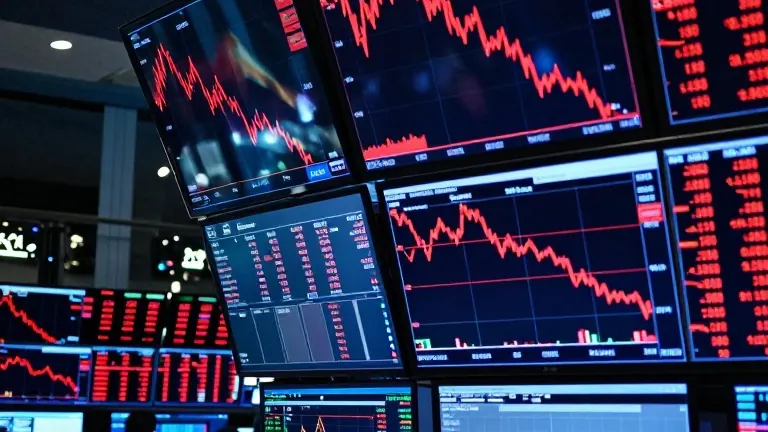
The S&P 500 has traded sideways for three months, dipping last week to levels last seen on June 1. This stagnation follows a period where the index spent most of the last quarter within the range of a two-day rally that occurred on Aug. 3 and 4. The lack of directional movement has left investors uncertain about the current state of the market.
The AI sector, which previously led the market, has underperformed the broader index. The iShares AI Innovation ETF has fallen 35 percentage points relative to the equal-weight S&P 500. While the group regained half of that loss at one point, it has since given up most of that gain. This shift has moved money out of momentum plays and into defensive sectors.
Cyclical industries, including consumer discretionary, industrials, and banks, have faced double-digit setbacks. Higher bond yields and elevated oil prices are restraining growth expectations in these areas. Investors have shown a clear preference for quality and defense, a trend driven by debt markets that are raising hurdle rates for AI data center borrowers.
Intermarket relationships have also shifted. Treasury yields are no longer moving closely with oil prices, even as crude stays above $100 a barrel. The traditional inverse correlation between the S&P 500 and Treasury yields has loosened, as bond market movements now appear tied to hiccups in the AI buildout that have stymied Big Tech players.
Goldman Sachs equity desk analysts noted "trader exhaustion" over the weekend. They pointed out that the momentum-factor stock basket moved at least 5% in a day 30 times in 2026. This frequency is higher than in any other full year, including crash years like 2000, 2009, and 2020. The desk suggested that traders may not handle much more flipping of thematic scripts.
John Kolovos of Macro Risk Advisors says the current sentiment and positioning composite is approaching a "fat pitch" for a tactical rebound. He notes that hedge funds have radically cut their leverage and exposure to tech. According to Deutsche Bank, broad institutional positioning in tech is not far above the lows seen during the Iran war. The bank adds that the last two reversals higher in tech coincided with strong earnings releases.
This week brings earnings reports from major cloud platforms Alphabet, Amazon, and Microsoft. These results could provide clarity on the sector's health. Additionally, funding anxiety may ease slightly, as the Anthropic IPO filing shows good operating metrics and $100 billion in cash before proceeds are collected. Blackstone is financing capital expenditures for SpaceX, and Broadcom is lining up $63 billion to fund chips for Anthropic.
Retail traders are bucking the institutional retreat. Scott Rubner, head of equity strategy at Citadel Securities, wrote that his platform data showed extreme dip buying in leveraged semiconductor ETFs, Micron, and Meta after a 3% tech selloff on Thursday. Robinhood data showed traders buying Bloom Energy aggressively as the stock fell 11% on Friday.
However, Citadel's data suggests this behavior is unusual for market bottoms. The late-March and late-July market lows occurred when retail traders panicked and became net sellers for a week or two. Kolovos warns that improving momentum amid tight financial conditions has historically produced disappointing returns. He notes that the market remains vulnerable to left-tail outcomes or corrections despite the potential for a rebound.
Source: CNBC
More Business · Consumer Alerts · Report a business · Got a Story?