Florida ICE arrests hit record highs amid shift to local police
Arrests in the state averaged over 200 daily this summer, with more than half of detainees lacking criminal records.
By Beatriz Bailey ·
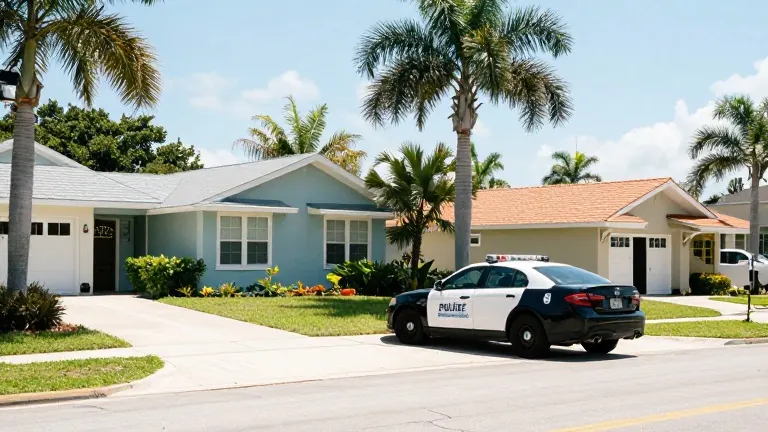
Florida has become the second most active site for federal immigration enforcement in the United States this year. The state recorded approximately 29,000 arrests by Immigration and Customs Enforcement through August 6, 2026, a figure that places it just behind Texas.
These numbers represent a sharp increase from the early months of the year. During the summer period, the average number of daily arrests exceeded 200. This rate is nearly double the pace observed in the first part of 2026. The data comes from the Deportation Data Project, which obtained the records through Freedom of Information Act requests.
The rise in arrests coincides with a change in federal strategy. The Trump administration has moved away from large, public operations in cities like Los Angeles, Minneapolis, and Chicago. Instead, federal authorities are relying more heavily on partnerships with local law enforcement agencies to identify and detain individuals.
This shift relies on 287(g) agreements. These contracts deputize state and county officers to perform specific immigration tasks. Florida state law requires these agencies to sign such agreements. Many local police departments have also joined the program. This structure allows local officers to transfer individuals detained for minor infractions directly to ICE custody.
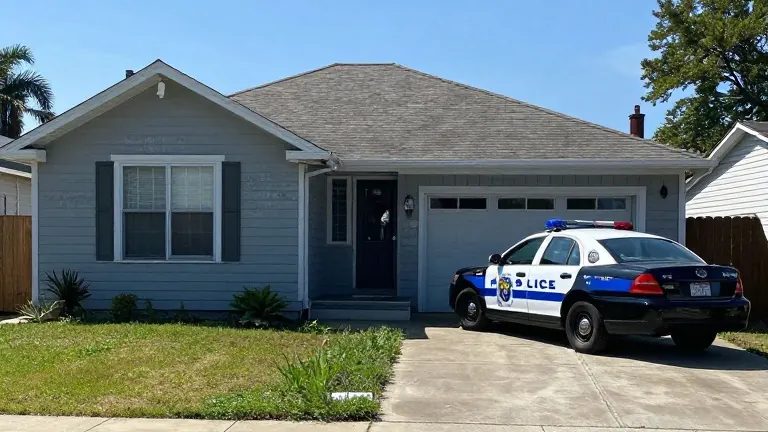
Local reporting has documented several instances where immigrants were initially stopped for traffic violations before being handed over to federal agents. In these cases, the most serious charge against the individual was often a civil traffic infraction. The transfers have included cases in Sarasota and Hillsborough County, where families reported the sudden absence of breadwinners.
The demographic profile of those arrested does not align with the administration's stated focus. Federal officials frequently describe their targets as the "worst of the worst." However, recent data indicates that more than half of the people detained in Florida this year had no criminal charge or conviction on record. ICE does not publish the specific charges associated with each individual arrest.
Independent reviews of the data suggest that violent offenders make up a small minority of detainees. A Cato Institute analysis of data leaked in October 2025 found that only 5% of people detained by ICE had violent convictions. A separate analysis by The New York Times determined that 7% of those arrested between January and October last year held violent convictions.
Joseph Nohava, an organizer with the Tampa Immigrants Rights Committee, said the increased reliance on local police is driving the higher numbers. "It would be impossible for ICE to do their job without help from local law enforcement," Nohava said. He noted that the heightened enforcement has created a climate of fear in immigrant communities, with many residents avoiding going out unless necessary.
Nohava's group conducts monthly "barrio walks" to distribute rights information and resources door-to-door. He said these interactions provide a direct line to the community's experience. "I don't think there's been a barrio walk that we've had recently in the last several months, where someone hasn't told us about either a friend, coworker [or] family member who has been taken by ICE," he said.
The next release of federal immigration data is expected to cover the period following August 6. The Deportation Data Project continues to process new requests for information to track the trajectory of arrests in Florida and other major states.
Source: WUSF Public Media