Ukraine Accelerates Search for Satellite Alternatives After Starlink Instability
Reliance on a single commercial network is forcing Kyiv and its European allies to rethink their communications strategy.
By Beatriz Bailey ·
Ukrainian forces are rapidly reassessing their dependence on the Starlink satellite network after recent service disruptions highlighted the vulnerability of relying on a single commercial provider. The instability has prompted urgent discussions in Kyiv and across Europe regarding how to maintain robust communications without the system that has been central to the country’s defense strategy since the start of the full-scale invasion.
For years, Starlink has provided the backbone for both civilian connectivity and military operations. The network’s ability to deliver high-speed internet through compact terminals allowed Ukraine to coordinate air defenses, strike deep into Russian territory, and guide drones with precision. This infrastructure was not just a convenience; it became a critical component of the nation’s ability to resist and counter-attack effectively on the battlefield.
However, the reliability of this lifeline has come under scrutiny. Observers note that the service has become inconsistent, partly due to the political maneuvering of its owner, Elon Musk. The latest unexpected outages have forced Ukrainian leadership to confront a difficult reality: the very technology that saved them may now pose a strategic risk if it can be interrupted by external factors.
Despite these concerns, the technical superiority of the system remains undeniable. A hardware research and development lead at Ukrainian defense firm BlueBird Tech noted that Starlink currently offers the best satellite coverage available. They emphasized that no other competitor matches the specific combination of low cost, wide availability, and user-friendly setup that makes the system so attractive for rapid deployment in combat zones.
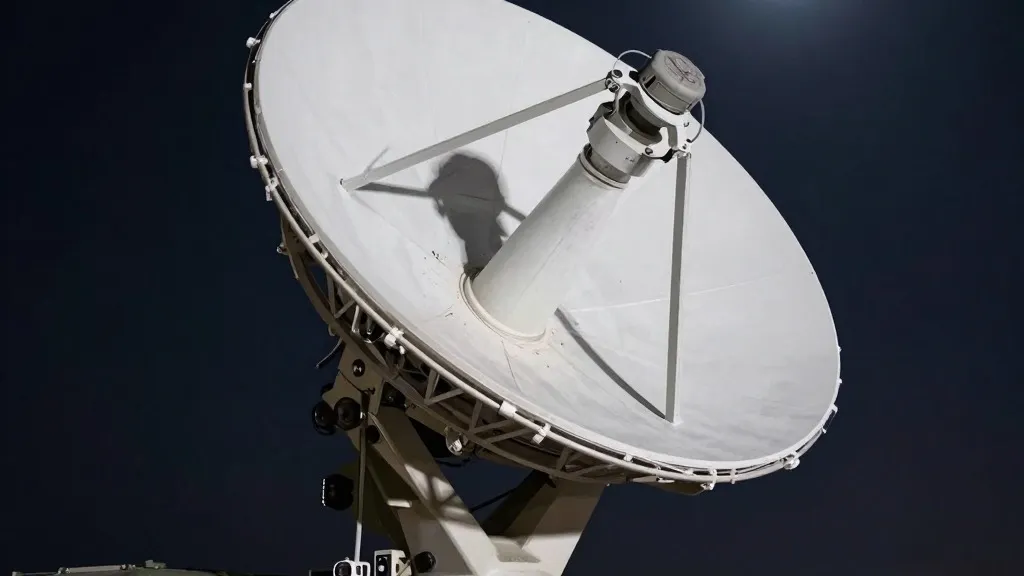
The primary practical limitation, according to the BlueBird Tech representative, is physical. Users must position their antennas correctly to receive signals from the satellites. This requirement means that while the technology is powerful, its effectiveness depends heavily on the terrain and the ability to keep the dish clear of obstructions, a constant challenge in active combat environments.
To mitigate these risks, the United States and European nations, including Poland and Germany, have invested significantly in the infrastructure. They have paid SpaceX for tens of thousands of commercial terminals and covered the associated subscription fees. Additionally, the US government has granted Ukrainian military units access to Starshield, a specialized military-grade version of the service. This allows defense companies to test their own technologies within a protected framework, potentially reducing the need for standard commercial hardware in the most sensitive operations.
As the war enters its fourth year, the focus is shifting from securing access to Starlink to securing alternatives. While the current network remains the most effective tool available, the recent disruptions have made clear that diversification is no longer a long-term goal but an immediate necessity for maintaining operational continuity.
Source: Ars Technica · original report published