Courts Step In: Judges Block Noncitizen Voting Plans Before Midterms
Federal rulings in California and Alaska, alongside postal service adjustments, shape the final hours of voting as states head to the polls.
By Anthony Hoffmann ·
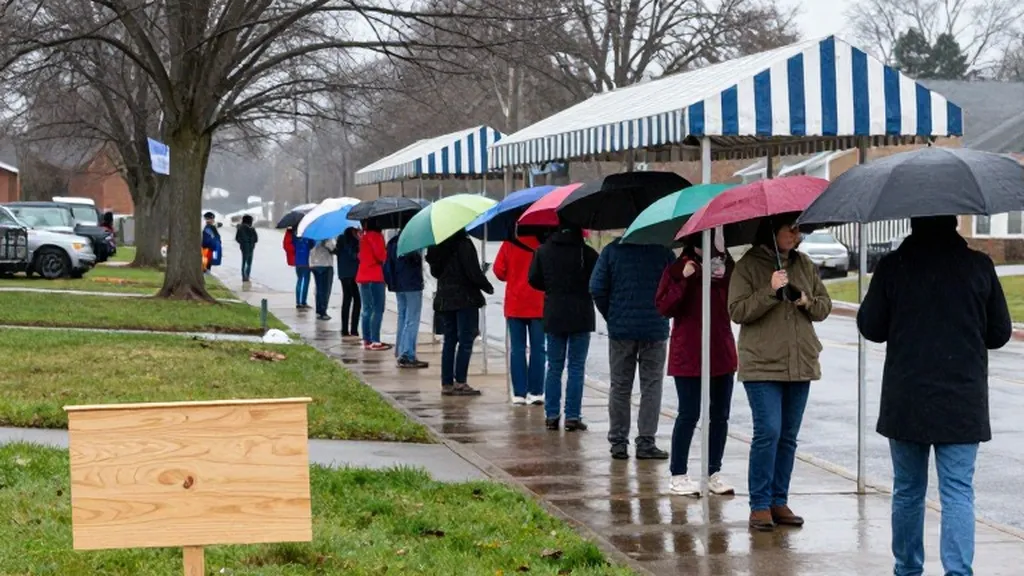
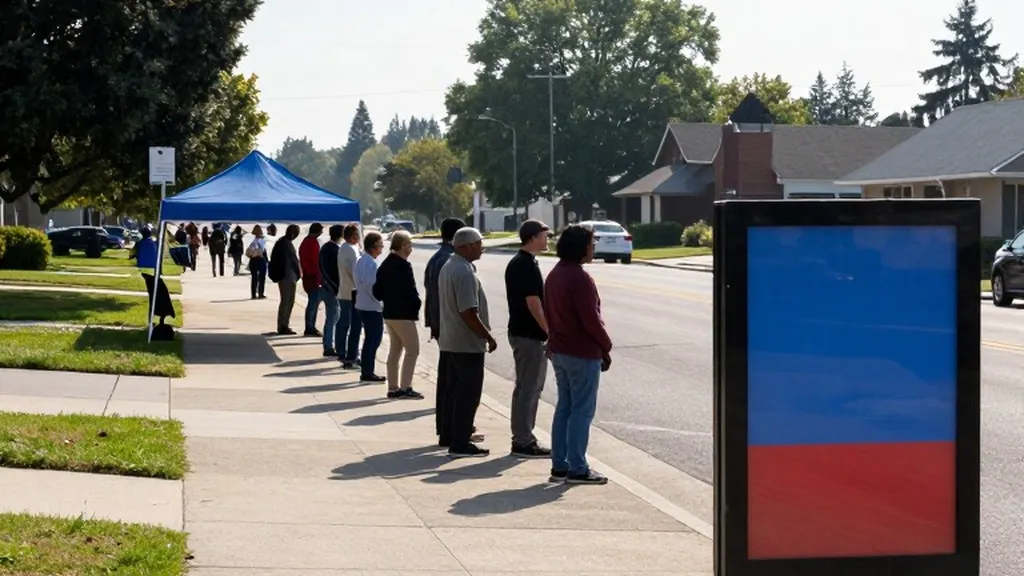
As voters in the Southeast and across the nation head to polling places on Election Day, the legal framework governing this year's midterms has been shaped by a series of urgent federal court decisions. The focus has been on the administration's efforts to address noncitizen voting, a topic that has become central to the post-election narrative. A federal judge issued a temporary bar on Monday against the Trump administration's plan to prevent noncitizen voting. Critics of the plan argue it risks disenfranchising eligible voters and infringes on the authority that states traditionally hold over their own elections. The ruling provides immediate relief to election officials who were preparing to implement the new protocols.
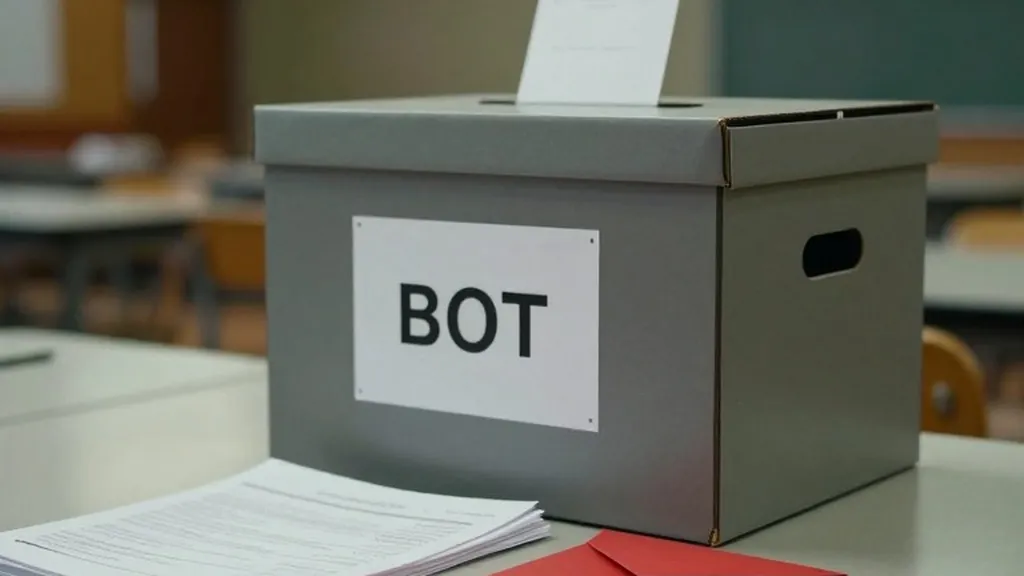
In California, a separate judicial order required the administration to stop demanding that state election officials segregate ballots cast by individuals listed on its registry of suspected noncitizens. This directive adds a layer of procedural complexity for election administrators who must now navigate conflicting federal and state expectations. The California ballot order has drawn attention to the mechanics of counting mail ballots, which remain a significant portion of the total vote in that state. Officials are working to ensure that the segregation order does not delay the counting process or create confusion among voters who have already cast their ballots.
The administration has also filed a lawsuit in Alaska related to the certification of the Senate result. This legal action is part of a broader strategy that includes the Justice Department's threats to prosecute local election officials, a move that has caused concern among Democratic leaders who fear interference and intimidation. The Alaska lawsuit highlights the growing role of the federal courts in determining how votes are counted and certified in close races. For voters in the Southeast, including those in Georgia, Florida, and North Carolina, these legal battles underscore the high stakes of the day and the ongoing debate over the integrity of the voting process.
To mitigate the impact of these legal uncertainties, the U.S. Postal Service has implemented additional measures to ensure that mail ballots are counted on time. The agency added extra hours, increased staffing, and established special processing lines for election mail. These steps are designed to address potential delays caused by the increased volume of mail-in ballots and the administrative hurdles created by the recent court orders. The Postal Service's actions are a critical component of the election infrastructure, ensuring that ballots received by the deadline are processed without unnecessary backlog. This logistical push is particularly important in states like Georgia and Florida, where mail voting plays a significant role in the overall turnout.
In Georgia, polls are open from 7 a.m. to 7 p.m. local time. Voters are heading to the polls to decide the Senate race, where incumbent Jon Ossoff faces Republican Rep. Mike Collins, as well as the open governor race. The state's election officials are monitoring the legal developments closely, particularly given the national attention on noncitizen voting lists. In Florida, polls are also open from 7 a.m. to 7 p.m. The state has no Senate race this cycle, but the governor race is a key contest. Voters in Florida are also aware of the legal disputes surrounding the certification process, which have been a point of contention in recent years.
North Carolina voters can cast their ballots from 6:30 a.m. to 7:30 p.m. The state has an open Senate seat, with former Governor Roy Cooper facing former Republican National Committee chair Michael Whatley. There is no governor race in North Carolina this year. The state's election board has emphasized the importance of following local rules regarding identification and ballot handling, especially in light of the federal court orders. In South Carolina, polls are open from 7 a.m. to 7 p.m. Incumbent Darline Graham is seeking re-election in the Senate race, while the governor seat is open. Voters in these states are navigating a complex landscape of legal and administrative changes as they make their decisions.
In Tennessee, poll hours vary by county, adding another layer of logistical complexity for voters. The state has an open governor race and a Senate race where incumbent Bill Hagerty is seeking re-election. Election officials in Tennessee are working to ensure that the varying poll hours do not create confusion for voters. In Alabama, polls are open from 7 a.m. to 7 p.m. The state has open seats for both the Senate and the governor. Voters in Alabama are also keeping an eye on the national legal battles, which are influencing how local election officials manage the day. In Mississippi, polls are open from 7 a.m. to 7 p.m. Incumbent Cindy Hyde-Smith is running for re-election in the Senate race, and there is no governor race in the state this cycle.
The legal battles over noncitizen voting and ballot certification are not just procedural; they are shaping the political narrative of the election. Democrats argue that the administration's actions are designed to create doubt and delay, while Republicans maintain that the measures are necessary to ensure the integrity of the vote. The court rulings have provided a temporary pause in some of these efforts, but the underlying tensions remain. As polls close in the Southeast, election officials will be working through the night to count ballots, with the Postal Service's additional resources playing a key role in that process. The outcome of these legal disputes could have long-lasting implications for how future elections are administered.