Southeast voters decide 19 open governor races amid 18-18 party split
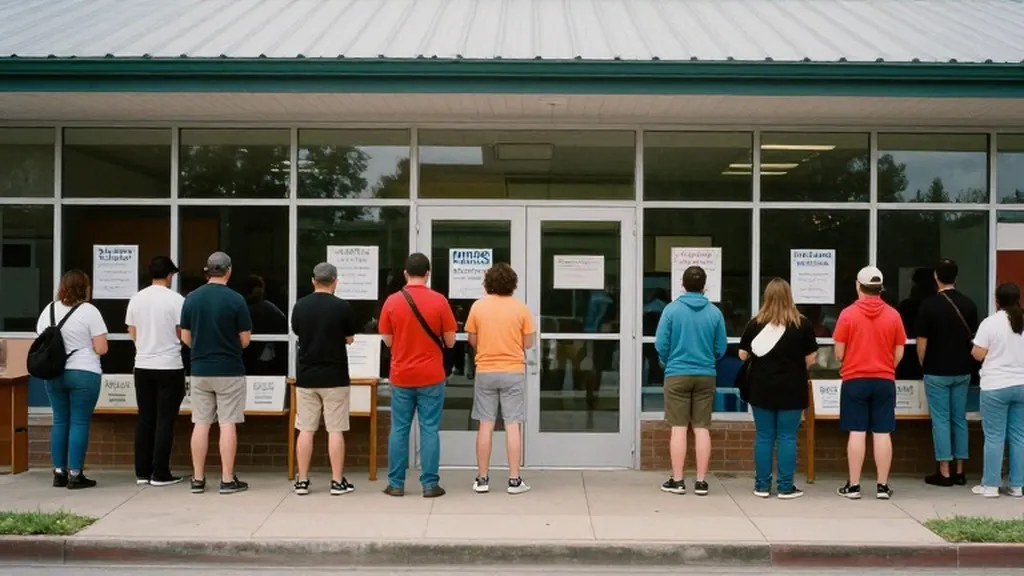
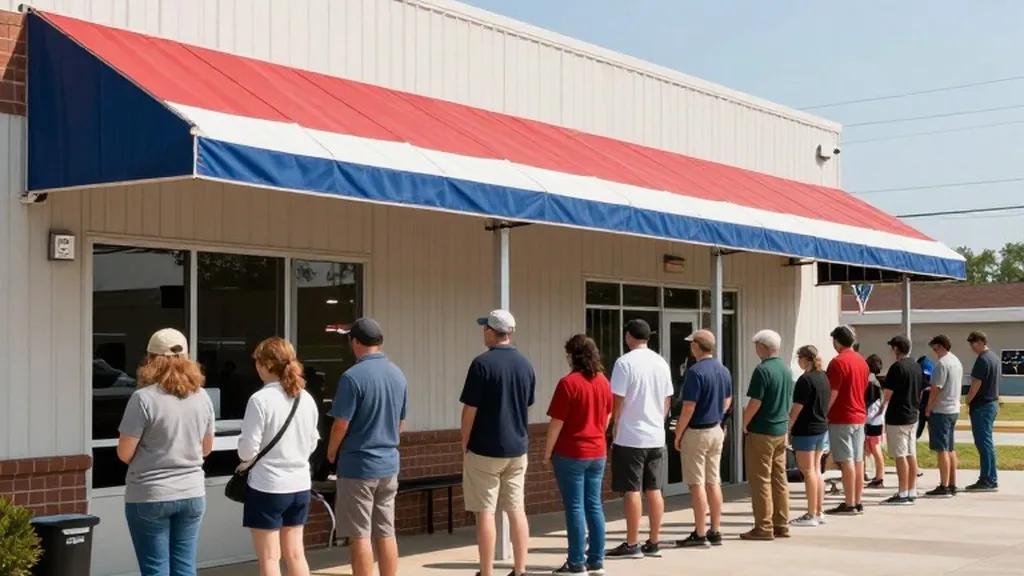
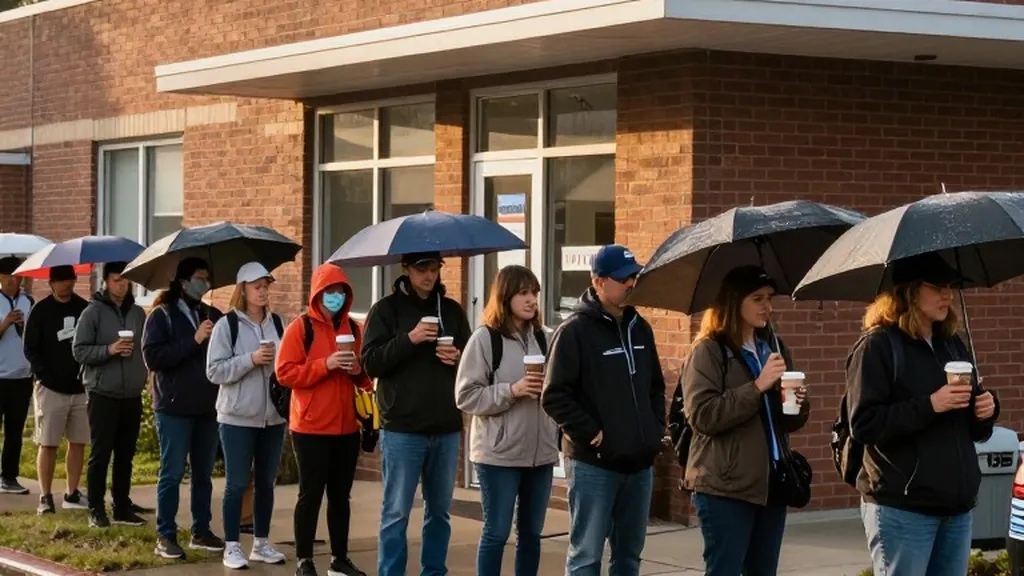
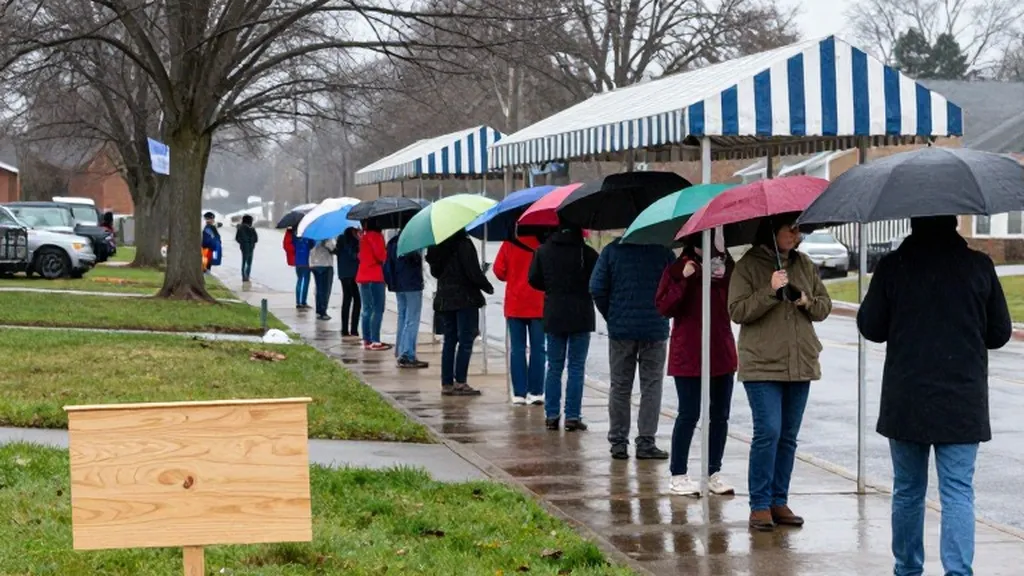
Across the Southeast, voters are casting ballots for five open governorships and four open Senate seats, with polls open and no results yet.
By Noah Ross ·
Election Day has arrived in the Southeast, where voters in Georgia, Florida, South Carolina, Tennessee and Alabama are deciding a significant number of open governorships and Senate seats. According to Ballotpedia, 19 of the 36 governor races nationwide feature no incumbent on the ballot, a figure driven by term limits and strategic choices by sitting officials. In the Southeast, this trend is particularly pronounced, with Georgia, Florida, South Carolina, Tennessee and Alabama all holding open gubernatorial contests. The Associated Press notes that these races are part of a broader midterm election that determines control of Congress for the final two years of President Donald Trump's second term. Voters in these states are not only choosing local leaders but also influencing the balance of power in Washington.
The party composition of governorships entering the election is evenly split, with Republicans holding 18 offices and Democrats holding 18 among the states on the ballot. Ballotpedia reports that Democrats would need a net gain of two governorships to achieve a nationwide majority, a status Republicans have held since 2010. This arithmetic places the Southeast in a critical position, as the region contains five of the nineteen open seats. In Georgia, polls are open from 7 a.m. to 7 p.m., where voters will select a successor to Brian Kemp. The Associated Press identifies the matchup as Republican health care executive Rick Jackson against Democratic former Atlanta Mayor Keisha Lance Bottoms. Both candidates are vying for a state that President Trump won by a margin of 2.2 percent in 2024, making the race a key indicator of the region's political leanings.
Florida, another major Southeastern state with polls open from 7 a.m. to 7 p.m., also presents an open governor's race. The Associated Press describes the Florida governor contest as competitive, alongside Texas and Iowa. Florida is also deciding a special Senate election for the remainder of the term Marco Rubio was elected to in 2022. The race is between Republican Ashley Moody and a Democratic opponent, with the state having voted for Trump by 13.1 percent in 2024. The Associated Press notes that the Trump administration filed a lawsuit related to the certification of the Senate result in Alaska, but in Florida, the focus remains on the high-profile gubernatorial contest and the special Senate race. Voters in Florida are weighing economic concerns and national political dynamics in their choices.
In South Carolina, polls are open from 7 a.m. to 7 p.m., and voters are facing an open governor's race. The state also has a Senate race featuring incumbent Darline Graham. While the Associated Press does not name the specific gubernatorial candidates for South Carolina in its key matchups list, the open nature of the seat adds to the competitive landscape in the region. The Associated Press describes the overall election as a referendum on Trump's second term, with voters struggling with high prices and anger over an unpopular war with Iran. This context influences voting behavior in South Carolina, where residents are deciding both the state's executive branch and their representation in the U.S. Senate.
Tennessee voters are making decisions in an open governor's race and a Senate race featuring incumbent Bill Hagerty. Polls vary by county in Tennessee, with hours set by local jurisdictions. The Associated Press notes that Tennessee is one of six states using new congressional maps after mid-decade redistricting, which may impact how votes are tallied in both state and federal races. The open governor's seat in Tennessee adds to the count of 19 such races nationwide. The Associated Press highlights that Republicans are bracing to lose the House and fighting to hold the Senate, with one or two seats potentially tipping the balance of power. Tennessee's political dynamics are thus central to these national calculations, as the state's voters decide who will lead the state and who will represent it in the Senate.
Alabama presents a similar scenario, with polls open from 7 a.m. to 7 p.m. Voters there are deciding an open governor's race and an open Senate seat. The Associated Press notes that Alabama is part of the broader pattern of open seats that complicates the midterm landscape. The state's voters are weighing the same national issues of economic strain and political direction that are affecting voters across the country. The Associated Press reports that more than 57 million people had already voted as of Monday, surpassing early vote totals from four years ago in many closely watched states. This high level of early voting suggests that turnout will be a decisive factor in Alabama, as it is in other Southeastern states.
The Associated Press quotes RNC Chairman Joe Gruters, who stated, "Everything depends on turnout. If we turn out our voters, we win, and that's what we've been planning for." In contrast, DCCC Chair Rep. Suzan DelBene said, "The American people are angry. They want change." These statements reflect the competing narratives driving voters in the Southeast. In Georgia, for instance, the race between Jackson and Bottoms is seen as a test of these narratives in a state that leans Republican but has become more competitive. The Associated Press notes that the economic strain and tariffs have made several states competitive, a trend visible in the Southeast where cost of living is a primary concern for voters.
Voters in the Southeast are also deciding Senate races that have national implications. In Georgia, Sen. Jon Ossoff is defending his seat against Republican Rep. Mike Collins. The Associated Press rates this race as leaning to likely Democratic, a significant shift given the state's recent history. In North Carolina, although there is no governor race, the open Senate seat is being contested by Democratic former Gov. Roy Cooper and former Republican National Committee chair Michael Whatley. The Associated Press notes that Thom Tillis retired after clashing with Trump, creating an open seat in a state that Trump won by 3.3 percent in 2024. The outcome of this race is closely watched as it could impact Senate control.