Southeast Voters Weigh Iran War Impact on Midterm Choices
In Georgia, Florida, and the Carolinas, the unpopular conflict is shaping how independents decide on open Senate and governor races.
By Anthony Hoffmann ·
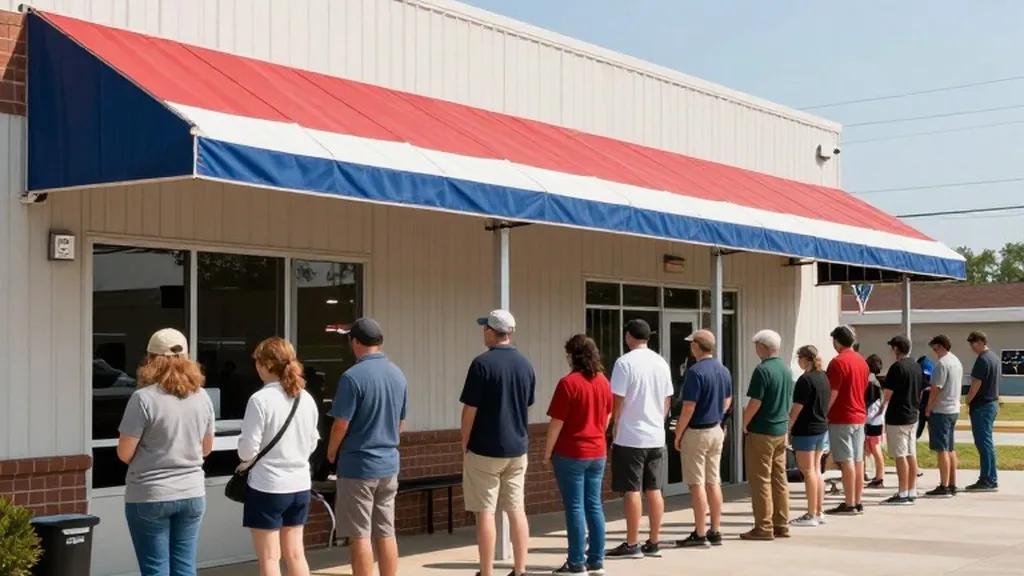
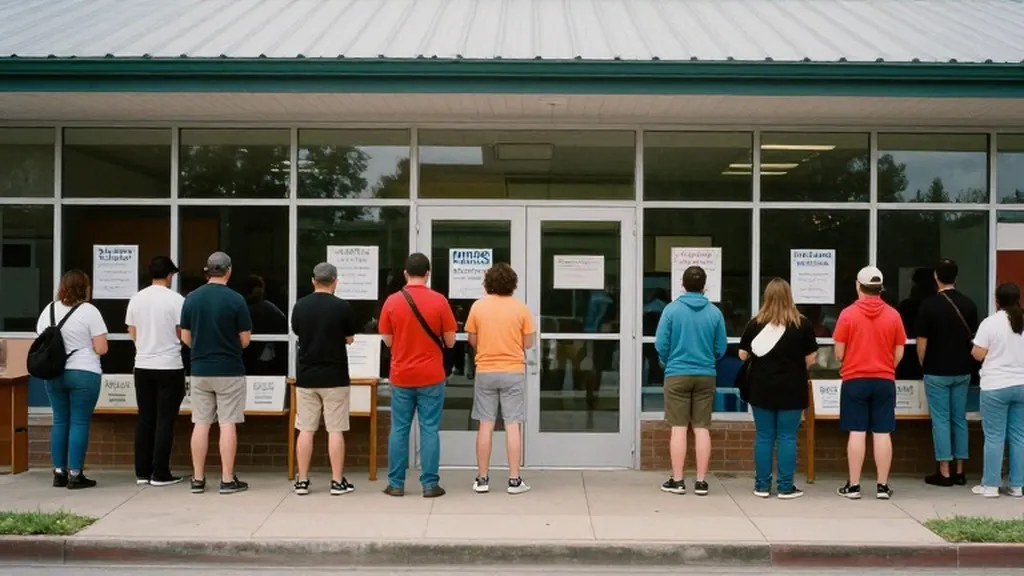
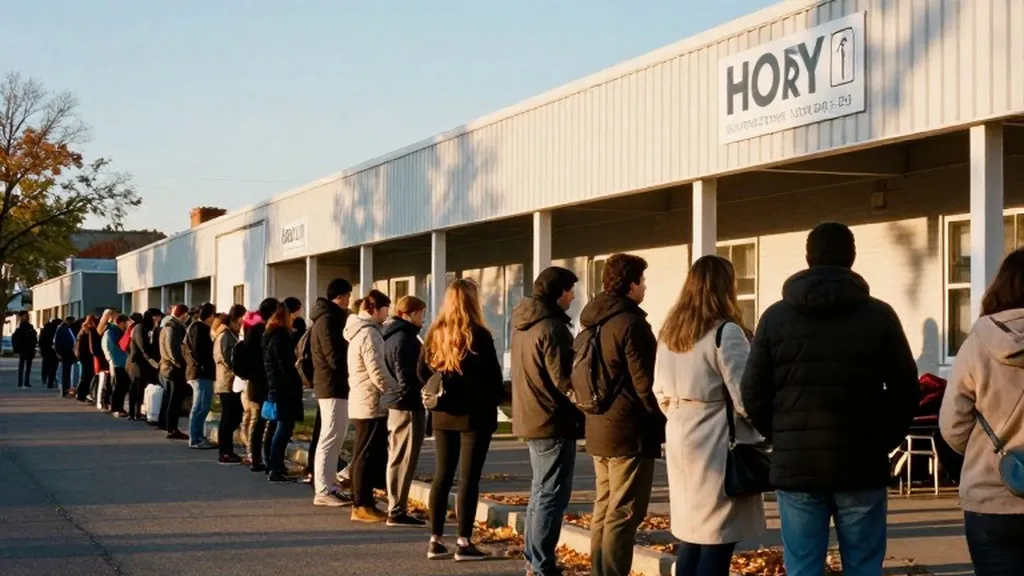
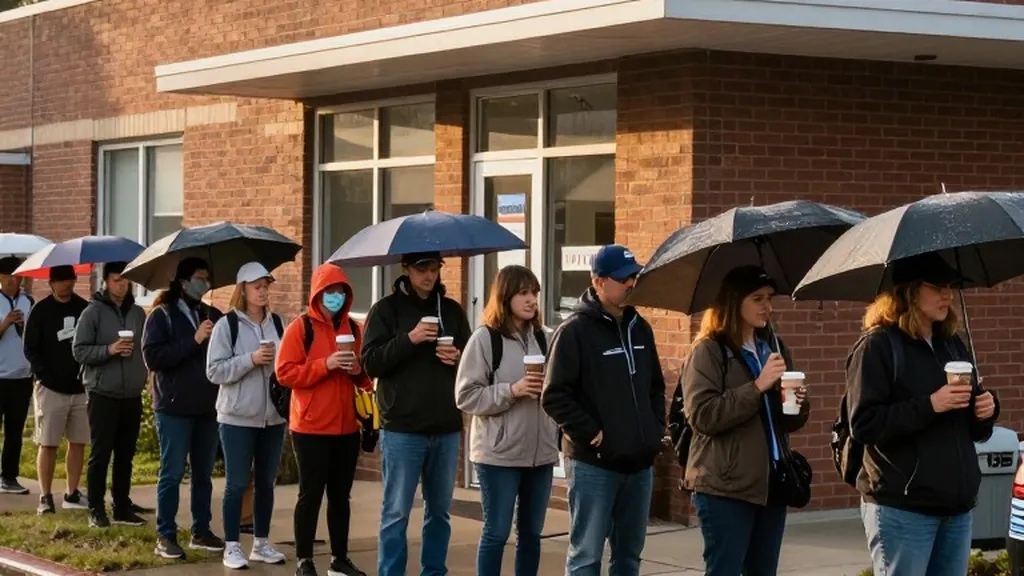
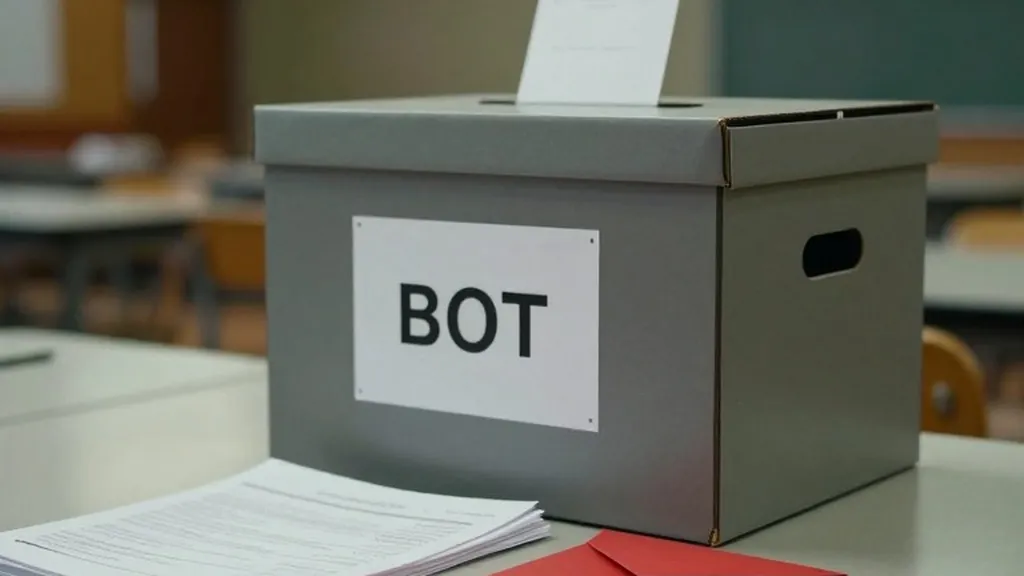
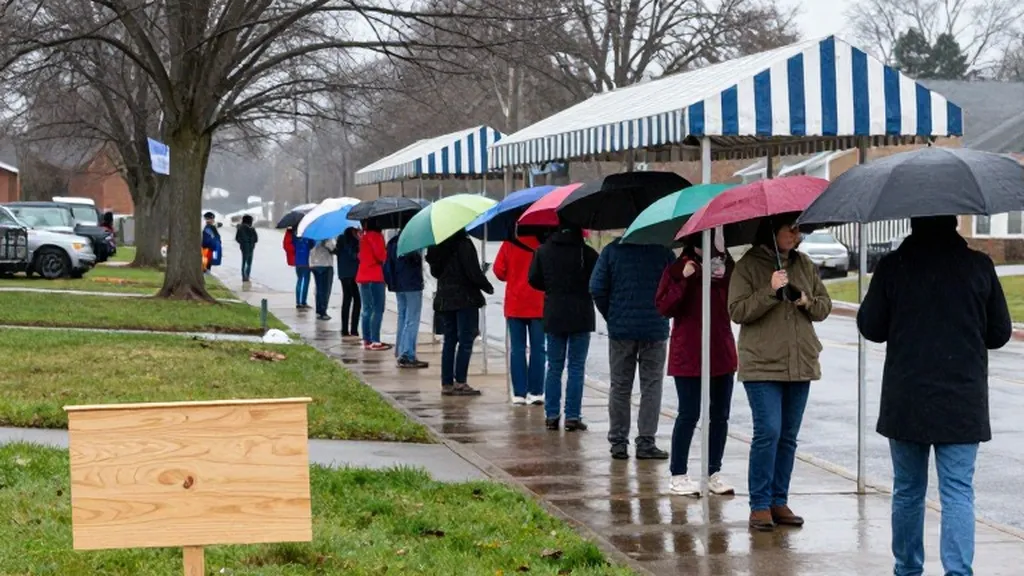
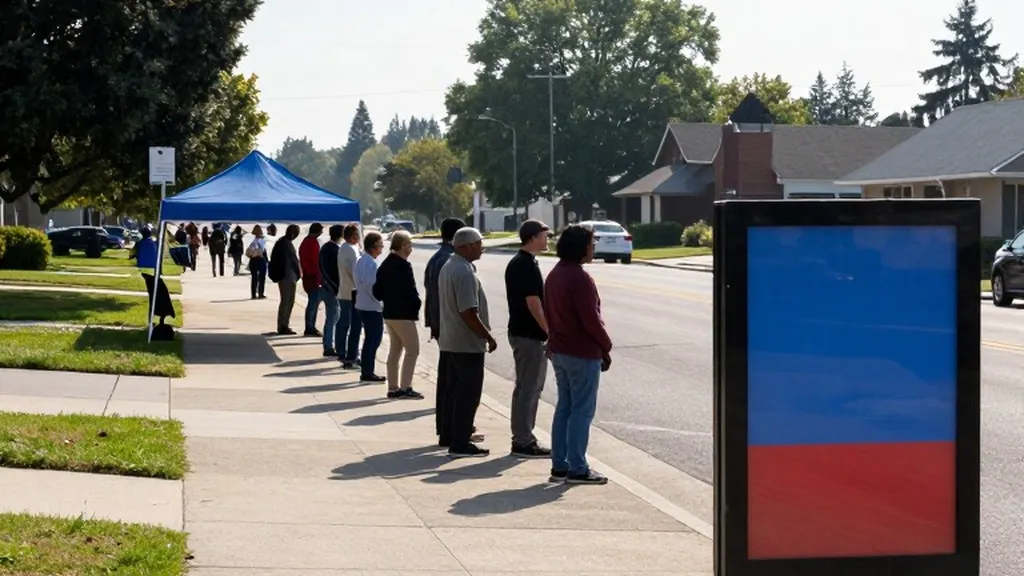
Voters across the Southeast are heading to the polls on Tuesday to decide key Senate and governor races that will determine the balance of power in Congress for the final two years of President Donald Trump's second term. The Associated Press describes the election as a referendum on the president's performance, noting that many voters are struggling with high prices and are angry over an unpopular war with Iran. This sentiment is particularly acute in the region, where several races are closely contested and the war has become a central point of debate between candidates from both parties.
In Georgia, polls open at 7 a.m. and close at 7 p.m. for the Senate race featuring incumbent Democrat Jon Ossoff and Republican Representative Mike Collins. The state voted for President Trump by a margin of 2.2 percent in 2024, making it a critical battleground. Ossoff is rated as likely to hold his seat, but the conflict with Iran has drawn significant attention to how the administration handles foreign policy. Voters in the state are weighing the cost of the war against domestic economic concerns, a trade-off that has animated campaign ads and rally speeches in recent weeks.
Florida polls are also open from 7 a.m. to 7 p.m. today, with voters selecting a new governor in an open seat. The state does not have a Senate race on the ballot, but the governor's office is a major prize. Republicans and Democrats are both defending their positions in the region, and the war with Iran has emerged as a key differentiator. Voter Mark Barker of Palm Beach Gardens, a self-identified independent, told the Associated Press that he has been following Trump closely and believes the president is doing an awesome job. His perspective contrasts with that of other independents in the state who are focused on the economic fallout from the conflict.
North Carolina polls open earlier at 6:30 a.m. and close at 7:30 p.m., offering voters a choice in an open Senate seat. Former Governor Roy Cooper, a Democrat, is running against former Republican National Committee chair Michael Whatley. The state voted for Trump by 3.3 percent in 2024. The Associated Press notes that the race has become a focal point for the national fight over the war's implications. James Moore, a 57-year-old librarian in Raleigh, expressed his frustration to the AP, stating that he is paying more for taxes, healthcare, and everything else. His comments reflect a broader mood in the state where the war's cost is a primary concern for independents.
South Carolina and Tennessee also have open governor races and Senate contests on their ballots. In South Carolina, polls open at 7 a.m. and close at 7 p.m. The Senate race features incumbent Democrat Darline Graham, who is seeking re-election in a state that voted for Trump in 2024. In Tennessee, polls vary by county, and the Senate race involves incumbent Republican Bill Hagerty. The war with Iran has been a topic of discussion in both states, with candidates from both parties offering differing views on the strategy and its future. Independents in these states are carefully evaluating which candidate's stance aligns best with their economic interests.
Alabama and Mississippi round out the Southeast states with open governor races and Senate contests. In Alabama, polls are open from 7 a.m. to 7 p.m., and the Senate seat is up for election. The state is a key part of the Republican strategy to hold the Senate, with the administration having filed lawsuits in some states related to election certification. In Mississippi, polls are also open from 7 a.m. to 7 p.m., and incumbent Republican Cindy Hyde-Smith is running for re-election. The Associated Press reported that more than 57 million people had already voted before Tuesday, surpassing early vote totals from four years ago in many closely watched states, including those in the Southeast.
The mood in the region is one of cautious optimism for Democrats and bracing for potential losses in the House for Republicans. The AP-NORC polling indicates that only 35 percent of U.S. adults approve of Trump's job performance, with most blaming him for high prices. The war with Iran has compounded these economic worries, leading to a narrative that the country is heading in the wrong direction. In the Southeast, this has translated into a high level of engagement among independents who are deciding their votes based on a mix of foreign policy and domestic economic indicators.
Republican National Committee Chairman Joe Gruters stated that everything depends on turnout, asserting that if they turn out their voters, they will win. Conversely, Democratic Congressional Campaign Committee Chair Suzan DelBene said that the American people are angry and want change. These quotes encapsulate the strategies of both parties in the Southeast, where the war with Iran serves as a rallying point. Republicans are emphasizing the need for stability and strength in foreign policy, while Democrats are highlighting the cost and the need for oversight of the administration's actions.
In the governor races, the open seats in Georgia, Florida, South Carolina, Tennessee, and Alabama represent significant opportunities for both parties. The AP calls the Texas, Florida, and Iowa governor races competitive, and the Southeast states are no exception. The new congressional maps in Florida, North Carolina, and Tennessee are also playing a role in how voters perceive these races. The war with Iran has added a layer of complexity to these decisions, as voters consider the long-term implications of the conflict on the region's economy and security.