
Folding Phone Frenzy: Apple Ramps Up Production to Meet Unprecedented Demand
Supply chain data indicates Apple has raised manufacturing targets for its new foldable device to over fourteen million units after pre-orders overwhelmed initial inventory.
By Noah Ross ·
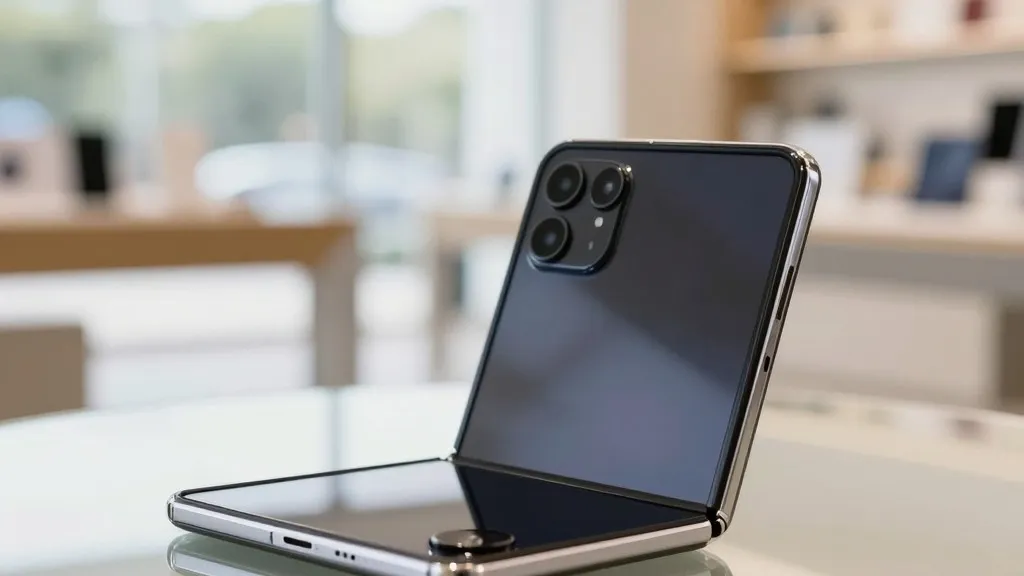
The rapid surge in orders for Apple’s first foldable smartphone has forced the company to significantly accelerate its manufacturing pipeline to avoid a prolonged shortage.
Pre-orders for the iPhone Duo opened on Friday, and within moments of the launch, customers reported that estimated delivery dates had already shifted. Many buyers saw their shipping windows push into late January, a delay that initially created confusion about whether the issue stemmed from high consumer interest or logistical bottlenecks. Apple attributed the backlog to "extraordinary" demand, a descriptor the company often employs for new iPhone releases, and implemented a cap of two devices per customer to mitigate the risk of scalping. However, the most recent supply chain intelligence suggests that the demand is indeed the primary driver of the delay.
The timeline of these events highlights a swift pivot from launch excitement to supply chain urgency. Immediately following the pre-order window, some early adopters began receiving updated, earlier shipping estimates. This adjustment appears to correlate with reports from DigiTimes, which cite supply chain sources stating that Apple has increased its production volume. The company is not merely maintaining its original schedule but actively scaling up operations to keep pace with the market response.
The scale of this production increase is substantial. Apple has revised its shipment targets for the first twelve months, raising the figure from 9.7 million units to 14 million units. This significant jump reflects a confident assessment that the strong initial demand will persist rather than being a temporary spike. By boosting output by more than 40%, the company is signaling that it expects the foldable format to become a major driver of sales in the coming year.
While the hardware supply is being expanded, the software ecosystem is still in a phase of adaptation. Early users are navigating a landscape where third-party applications have not yet been fully optimized for the new device's unique form factor. Apple has stated that the situation is improving rapidly as developers integrate support for the new hardware. Initial reviews based on a week of usage have consistently identified app compatibility as a critical area for attention, though it is viewed as a manageable transition period rather than a fundamental flaw.
Another point of discussion among reviewers and analysts is the inclusion of Touch ID on the device, which some viewed as a step back from the Face ID standard found on recent iPhones. This decision may have been a compromise for the current hardware design, but the future appears to be moving toward a return to facial recognition. Recent reports indicate that Apple is already testing prototypes for the iPhone Duo 2 that incorporate Face ID technology. This suggests that the current model's biometric features may be a temporary limitation rather than a permanent design philosophy.
For the Southeast market and other regions, this production boost is likely to ease the pressure on local inventory over the next few months. The shift from a constrained supply model to an expanded one indicates that retailers will have more stock available as the initial wave of orders clears. The aggressive target of 14 million units in the first year suggests that Apple is preparing for a sustained period of high sales volume, rather than just a holiday season surge.
Looking ahead, the focus will shift from manufacturing speed to software maturity. As the device reaches more hands, the pressure on developers to finalize optimized app versions will intensify. The success of the iPhone Duo will depend not only on the hardware availability but also on how quickly the software ecosystem adapts to the foldable interface. With production targets now set higher and Face ID under test for the next generation, Apple is positioning the foldable line for long-term growth rather than a one-off experiment.
Source: 9to5Mac · original report published