Holiday Expectations Fuel Loneliness Amid Financial and Emotional Stress
Social pressure to celebrate can intensify feelings of isolation and financial strain during the winter season.
By Noah Ross ·
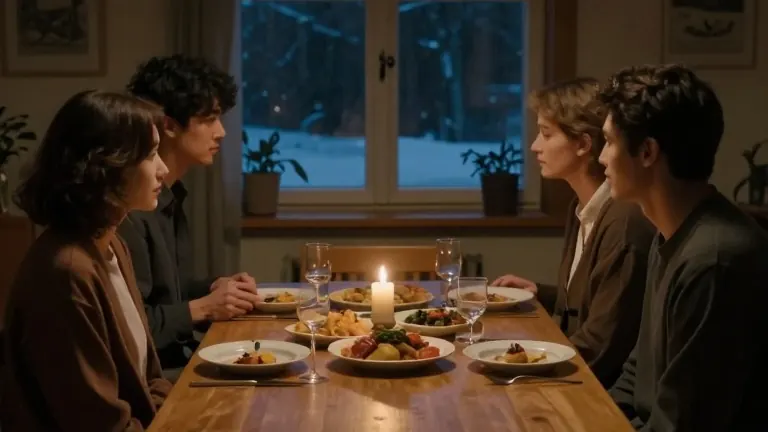
The expectation that the holiday season must be a time of universal happiness often intensifies feelings of loneliness and financial stress for many Americans. This pressure creates a gap between the idealized image of festive gatherings and the reality of personal struggles that persist from October into December.
Loneliness tends to deepen during the season of togetherness, while financial abundance can highlight the scarcity of funds remaining after essential bills are paid. Family gatherings may cause pain, and traditional rituals often serve as reminders of deceased relatives who are no longer present to participate in them.
Grief, illness, anxiety, and family conflicts do not pause to align with the calendar. Individuals continue to carry these burdens while navigating public displays of cheerful holiday decorations. In the Gulf Coast region, residents may wear sandals while observing snowmen in scarves, yet they recognize the longing represented by those symbols.
Uncertainty about the wider world follows people into grocery stores as they plan meals. Families often find themselves divided over deep values, and guests may arrive at the same table carrying different fears. This environment suggests that love and grace should begin with the people directly present.
Practicing grace involves letting guests decline invitations without demanding explanations. It means welcoming attendees without questioning their marital status, family plans, or past employment. Hosts should avoid commenting on weight changes or teenage hairstyles, as most people prefer a quiet meal over an interrogation.
A specific offer to join a gathering at a set time is easier to accept than a vague promise to get together someday. For those grieving, speaking the name of the deceased can ease loneliness, as the sadness is already present. For those with limited funds, an invitation that requires no gift or expensive contribution serves as a practical act of love.
Individuals must also attend to their own limits. Love does not require enduring cruelty for the sake of a family photograph. A shorter visit or a firm boundary can create room for greater peace. Simple meals and undecorated homes allow people to feel grateful for what they have while acknowledging what they have lost.
Ordinary acts such as listening, welcoming, and noticing who needs a chair contribute to a warmer holiday experience. These habits of making room and asking instead of assuming can extend beyond the winter season, providing daily opportunities to reduce loneliness for others.