CDC: 11 Million Americans Live With Undiagnosed Diabetes
North Carolina sits in the 'diabetes belt,' where doctors warn that a quarter-million residents are developing complications without knowing they are sick.
By Noah Ross ·
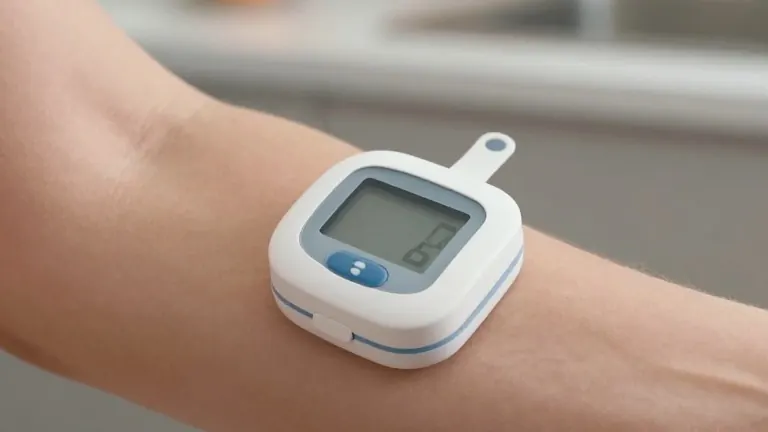
Eleven million Americans are living with diabetes right now, and they do not know it. The Centers for Disease Control and Prevention estimates that figure, a number that doctors say drives home the danger of a disease that kills silently before it shows up on a test strip.
North Carolina is at the center of this problem. The state is part of a region medical experts call the 'diabetes belt,' where rates of the condition run higher than the national average. Novant Health endocrinologist Dr. Adam Spitz said roughly one million people in the state have a diagnosis. He added that another 250,000 have the disease but have not been identified, leaving them vulnerable to heart attacks, kidney failure, and eye damage without warning.
The disease is the leading cause of amputation in the United States, according to the American Diabetes Association. It is also the number one cause of kidney disease and the seventh leading cause of death in the country. For those who do know they have Type 2 diabetes, the management is a constant, hourly task. Andrew Tucker, who has lived with the condition for nearly 20 years, described his daily routine as a battle that never stops.
"Yes, for me, it is truly an everyday, almost every hour watching what I do," Tucker said. He was diagnosed at age 35 while weighing about 250 pounds. He changed his diet, started exercising, and lost more than 30 pounds. The weight loss helped, but the diabetes stayed. Tucker traced the condition to his family history. "What I learned, it was also hereditary," he said. "My father had it, grandfather had diabetes."
Doctors say obesity is a major risk factor, but genetics play a role too. The challenge is not just treatment, but access. Spitz noted that rural and underserved communities in North Carolina often lack consistent healthcare access and education on healthy lifestyles. This gap makes it harder to catch the disease early, when lifestyle changes can still make a difference.
The stakes are even higher for the estimated three million North Carolinians with prediabetes. These individuals are at a crossroads, Spitz explained. They can either progress to full diabetes or prevent it. Prevention usually requires sustained changes to diet and exercise, a hurdle many people struggle to clear. Tucker uses a continuous glucose monitor to track his blood sugar in real time. He recently recorded a doctor's visit where his average sugar was reported at 129, a number that had improved from his last check.
Newer medications, including GLP-1 drugs like Ozempic and Wegovy, have helped many patients manage their levels. However, Spitz warned that these tools do not solve the access problem for everyone. The most common signs of undiagnosed diabetes include excessive thirst, extreme fatigue, and frequent urination. Doctors advise anyone experiencing these symptoms to seek testing to rule out the condition.
Source: WCJB