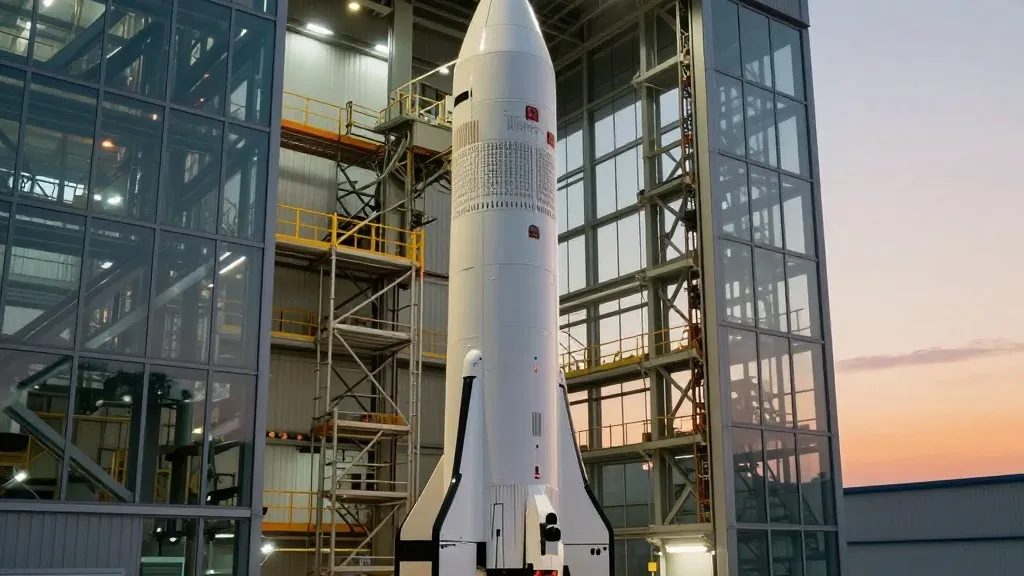
NASA confirms 2028 Moon landing target with revised orbital docking plans
The agency shifted its lunar architecture to high-Earth orbit for SpaceX and simplified Blue Origin's logistics to meet ambitious timelines.
By Anthony Hoffmann ·
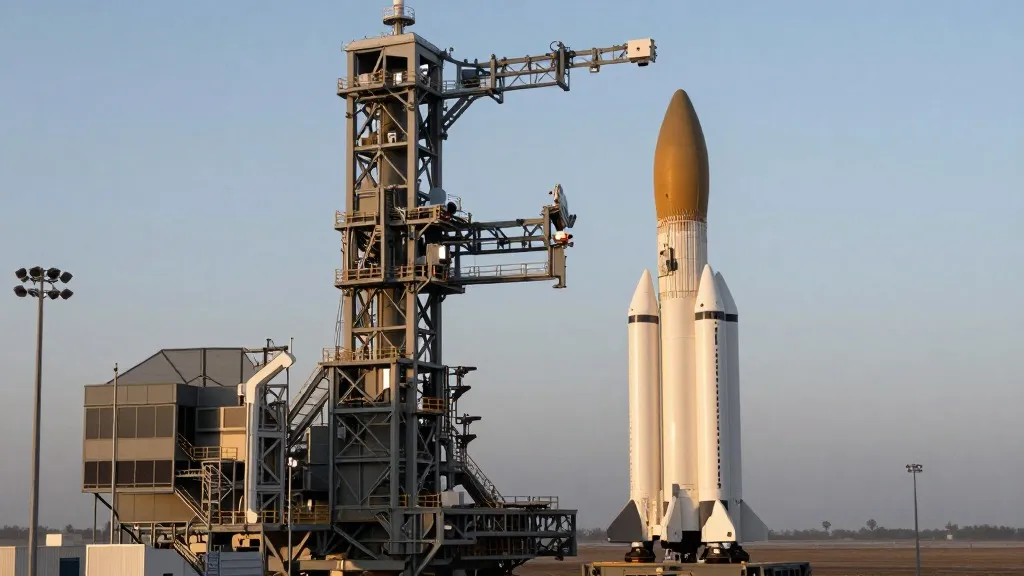
The return of humans to the lunar surface has long been a goal mired in complex orbital mechanics and shifting partnerships, but new details presented this week suggest a more streamlined approach. On Friday, NASA held an extensive news conference to outline the specific changes to its Artemis Program architecture that aim to facilitate crewed landings as early as 2028.
While fragments of these plans had leaked to various outlets over the past months, this briefing marked the first time the agency formally detailed the structural shifts. The most significant alteration involves SpaceX’s Starship vehicle. Under the revised strategy, the Orion spacecraft will no longer perform the complex maneuver to dock in a near-rectilinear halo orbit around the Moon. Instead, Orion will dock with the Starship lander in high-Earth orbit before the combined unit travels to the lunar surface.
This change addresses a primary concern raised by SpaceX engineers during early 2026 meetings with NASA. The previous requirement for a halo orbit docking demanded significantly more energy and introduced additional technical difficulties. The cancellation of the Lunar Gateway earlier this year effectively removed the infrastructure that necessitated that specific orbital path, thereby simplifying the mission profile for the private partner.
The plans for Blue Origin reflect a different set of adjustments. The updated architecture for the New Glenn rocket involves four launches but eliminates the need for spacecraft-to-spacecraft refuelings. This simplification reduces the number of critical in-space operations. Furthermore, the Blue Moon lander is now designed with the capability to rendezvous with Orion in low-Lunar orbit, offering another potential docking scenario that deviates from earlier concepts.
NASA officials maintained their existing timeline during the presentation, stating that the Artemis III mission remains on track for a summer 2027 launch. This mission will serve as a critical demonstration, involving docking tests with both the Blue Moon and Starship vehicles near Earth. Following this, the agency is targeting a 2028 launch for Artemis IV, which would mark the first actual crewed landing on the Moon under the new program.
Administrator Jared Isaacman expressed confidence in the revised path, noting that the agency possesses the necessary mandate and resources. "This is an achievable path we are on right now," Isaacman stated. He emphasized that with the support of stakeholders, the agency intends to execute the plan as outlined. The administration appears committed to these dates, viewing the architectural changes as a means to accelerate execution rather than a concession to delay.
The shift in strategy represents a notable departure from previous iterations of the Artemis roadmap. By moving the docking point for SpaceX to high-Earth orbit, NASA is effectively decoupling the lunar transfer phase from the complex orbital mechanics previously required. This move seems designed to reduce the risk profile for the first crewed lunar flights, placing the heavy lifting of the transit after the critical docking event has been safely completed in a more familiar orbital environment.
For Blue Origin, the elimination of in-space refueling between spacecraft simplifies the logistics considerably. The four-launch sequence for New Glenn allows the company to focus on payload delivery without the added complexity of propellant transfer operations. The option for the Blue Moon lander to meet Orion in low-Lunar orbit provides a flexible alternative to the high-Earth orbit docking used by SpaceX, suggesting NASA is allowing each partner to utilize the architecture that best fits their vehicle capabilities.
Despite the optimistic tone of the conference, questions remain regarding the feasibility of holding these aggressive dates. The transition from previous plans to this new configuration required significant re-evaluation of the entire program. Whether these changes will truly accelerate the timeline or merely simplify the engineering challenges is a point that will likely be scrutinized in the coming months. The agency’s confidence is clear, but the execution of these complex orbital maneuvers will ultimately determine if the 2028 landing target is met.
Source: Ars Technica · original report published