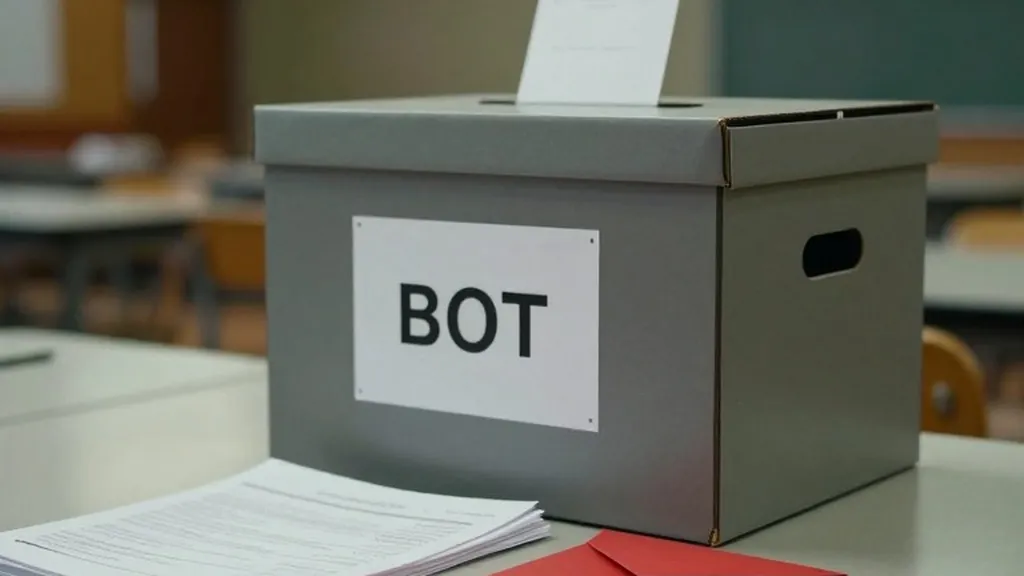
Breaking: Election Day is here! Make your selections: decide control of Congress and key governorships
Voters across the Southeast and the nation are deciding the fate of Congress and key governorships in a fiercely contested midterm race.
By Anthony Hoffmann ·
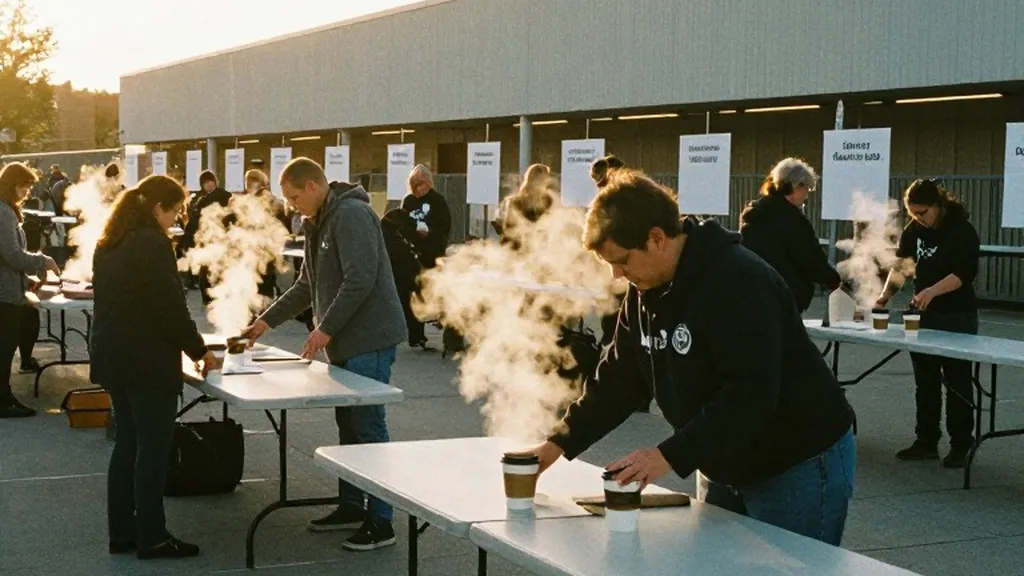
It is Election Day, Tuesday, November 3, 2026, and voters are heading to the polls to determine which party controls Congress for the final two years of President Donald Trump's second term. This midterm election decides the balance of power in both the U.S. House and the U.S. Senate, as well as the outcome of thirty-six governorships. The results will shape the legislative agenda for the remainder of the current administration and set the stage for the 2028 presidential race. With polls open across the country, millions of Americans are casting ballots to weigh in on the direction of the nation.
The stakes in the U.S. House of Representatives are high, with all 435 seats up for grabs. Republicans currently hold 218 seats, while Democrats hold 214, along with one independent and several vacancies. According to Ballotpedia, Democrats need a net gain of three districts to secure a majority, whereas Republicans can afford to lose no more than two seats. In the Senate, thirty-five seats are contested, including thirty-three regular elections and two special elections. Republicans hold 53 seats and Democrats 45, with two independents caucusing with the Democrats. Democrats must gain four seats to take control of the chamber, while Republicans can only lose two. These tight margins mean that a handful of districts in battleground states could tip the balance of power in Washington.
In the Southeast, voters are making critical choices in several closely watched races. In Georgia, polls are open from 7 a.m. to 7 p.m. Local voters are deciding the Senate race, where incumbent Democratic Senator Jon Ossoff faces Republican Representative Mike Collins. The state also holds an open governor race, where Republican health care executive Rick Jackson competes against Democratic former Atlanta Mayor Keisha Lance Bottoms. In Florida, polls are also open from 7 a.m. to 7 p.m. There is no Senate race on the ballot, but voters are choosing a new governor in an open seat. The Associated Press calls the Florida governor race competitive, noting the high national attention on the state's political dynamics.
North Carolina voters can cast their ballots from 6:30 a.m. to 7:30 p.m. The state features an open Senate race, with Democratic former Governor Roy Cooper challenging former Republican National Committee chair Michael Whatley. Thom Tillis retired from the Senate after clashing with President Trump, creating this open contest. There is no governor race in North Carolina this year. In South Carolina, polls are open from 7 a.m. to 7 p.m. Voters are deciding the Senate race, where incumbent Republican Senator Darline Graham seeks re-election, and they are also choosing a new governor in an open seat. These races are part of a broader regional contest that could influence the overall control of the Senate and the governorships.
Tennessee and Alabama also feature significant contests in the Southeast. In Tennessee, poll hours vary by county. Voters are deciding the Senate race, where incumbent Republican Senator Bill Hagerty is on the ballot, and they are also choosing a new governor in an open seat. In Alabama, polls are open from 7 a.m. to 7 p.m. The state has both an open Senate race and an open governor race. Mississippi polls are open from 7 a.m. to 7 p.m. as well. There is an open Senate race, with incumbent Republican Senator Cindy Hyde-Smith seeking another term, but there is no governor race in Mississippi this year. These states are crucial for both parties as they seek to maintain or expand their influence in the region.
According to the Associated Press, the election is being viewed as a referendum on President Trump's second term. Many voters are struggling with high prices and are angry over an unpopular war with Iran. AP-NORC polling indicates that 35 percent of U.S. adults approve of Trump's job performance, while only 25 percent approve of his handling of the economy. About seven in ten Americans say the country is heading in the wrong direction. More than 57 million people had already voted as of Monday, surpassing the early vote totals of four years ago in many closely watched states. This high level of early voting suggests a strong turnout on Election Day, with voters eager to express their views on the current administration.
Republican leaders are bracing for the possibility of losing the House, while fighting hard to hold the Senate. The Associated Press notes that one or two seats could tip either chamber. Democrats, on the other hand, are described as cautiously optimistic. RNC Chairman Joe Gruters stated that everything depends on turnout, adding that if they turn out their voters, they will win. DCCC Chair Representative Suzan DelBene countered that the American people are angry and want change. These contrasting sentiments reflect the intense competition in this election, with both parties focused on mobilizing their bases and persuading undecided voters in key districts.
President Trump has been actively campaigning, holding dozens of rallies in recent days. He ended his rally schedule on Sunday in Salina, Kansas, where he told supporters to pretend he is on the ballot. His schedule included stops in Mississippi, South Carolina, and Texas. Despite his efforts, many Republican candidates have kept their distance from the president. Trump has continued to make claims about voting fraud, including assertions that noncitizens vote in large numbers. His administration has sued in Alaska and California regarding election certification, and Democrats fear that the Justice Department's threats to prosecute local election officials could lead to interference and intimidation.
The 2026 elections are likely to be the most expensive in history. According to an AP analysis of AdImpact data, Republican committees outraised and outspent Democratic committees, helped by Trump-affiliated groups and Elon Musk. However, at the candidate level, Democrats outraised their opponents. Eighty-eight percent of Republican general election TV ad spending went to states and districts that Trump won in 2024, including more than $850 million in areas where he won by ten points or more. This spending strategy highlights the focus on defending Republican strongholds while also competing in key battleground areas. The financial resources deployed in this election underscore the high stakes involved in determining the next two years of congressional leadership.
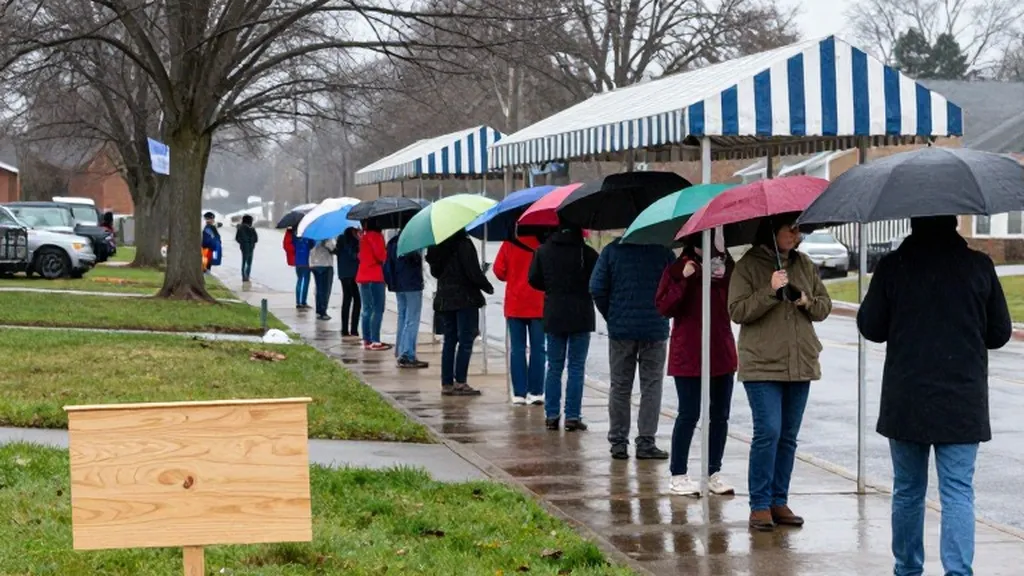
Voters should know how to navigate their voting process today. According to USA.gov, you can find your polling place at vote.gov or your state election office. It is important to check your state's ID rules before going to the polls, as requirements vary by state. Anyone who is in line when polls close is entitled to vote, so arriving early is recommended. In the Southeast, poll hours are as follows: Georgia and Florida are open from 7 a.m. to 7 p.m., North Carolina from 6:30 a.m. to 7:30 p.m., South Carolina from 7 a.m. to 7 p.m., Tennessee varies by county, Alabama from 7 a.m. to 7 p.m., and Mississippi from 7 a.m. to 7 p.m. Staying in line and arriving early ensures that your voice is heard in this critical election.