Cool Snap Pushes Snook and Reds Into Bay Canals and Backwaters
Guides and bait shops across Tampa Bay report shifting fish locations, changing bait preferences, and variable trout action as water temperatures drop.
By Beatriz Bailey ·
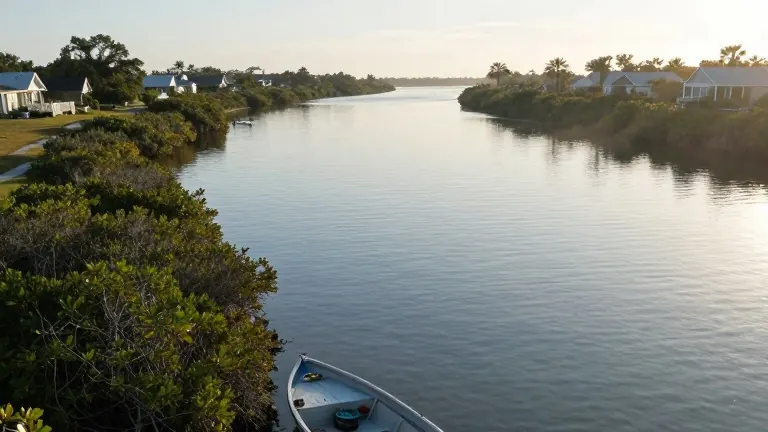
Tampa Bay fishing reports from late October show cooler water moving fish into different territory, with guides and tackle shops describing changes in where species are holding and what baits they will take.
Capt. Chuck Rogers said he shifted his efforts into backwaters and canals after a cool snap began last week. Snook and reds moved into those areas and are taking live sardines. Cut bait, or live sardines with their tails snipped off, has been effective on reds. Rogers reported fair numbers of snook but said they have been reluctant to attack baits thrown their way. Trout on the grass flats have been hit-or-miss, and multiple boats in recent bay tournaments reported trout were the toughest species to find. Some sources have scored good-sized fish around spoils near the mouths of the Hillsborough and Little Manatee rivers. A few flounder sit on sandy bottom close to shorelines, and sheepshead are beginning their annual move into the bay for winter. Some catches are being made on the St. Pete and Apollo Beach artificial reefs using live shrimp and fiddler crabs. While jigging near Gandy Bridge for ladyfish to use as cut bait, Rogers landed a 14-inch pompano.
Capt. George Hastick has been working flooded mangroves along the Pinellas side of the bay from St. Pete to the Weedon Island area. Fish are scattered, and he picks up three or four along a stretch of mangroves before moving to find more. Fish sit against the mangroves when water is high and move out up to 40 feet on open flats as water falls. They also run behind schools of mullet, making cut bait or live sardines behind moving mullet a viable approach. Fish have run from undersized to 30 inches. Snook have been around the mangroves on high water taking live sardines, though only when current flows well. Mangrove snapper have been present on structure such as rocks, docks, and bridge pilings, with Hastick boating fish between 12 and 16 inches on small, live sardines. Spanish mackerel schools have been feeding on threadfin shad in deeper, open-water sections of the bay off the St. Pete area.
Bill at Gandy Bait & Tackle said cool nights last week dropped bay water temperatures enough to change the bite. Redfish were least affected because they are less sensitive to temperature changes, but snook stopped feeding consistently and moved between deeper, warmer backwaters and shallow bay water as the sun warmed things up. The final two hours of incoming tide and first two hours of outgoing tide have been the best snook feeding windows. Trout fishing has remained steady on shallow grass flats near oyster bars, where trout move as tide rises. Wind has complicated fishing, and Bill suggested positioning behind land with trees to block the breeze, citing areas behind Picnic and Weedon islands. Sheepshead numbers remain limited, but cooling water has brought more fish around rocks, shell bottom, and oyster bars in shallow water. Live shrimp and fiddler crabs are the top baits. Spanish mackerel catches were reported over the past week, though Bill was unsure how long that bite will hold as water temperatures fall.
Jacob at Riviera Bait & Tackle reported that cooler water has increased snook activity in backwaters, especially residential canals, with live sardines and pinfish performing best. Reds are scattered, and some landed fish have been large. Live shrimp, cut pinfish, or sardines fished around flooded mangroves have produced catches from the Courtney Campbell Causeway to Fort De Soto. Trout fishing appears to be improving on grass beds, with fish taking plugs and jigs more readily when winds are down. Mangrove snapper fishing is slowing while the sheepshead bite is increasing around structure. Spanish mackerel catches were reported in many parts of the bay over the past week, and some anglers are waiting for kingfish to arrive in the Gulf. Schooling jacks have been working around Weedon Island.
Source: Tampa Bay Newspapers