Tesla Commences Cybercab Deliveries Before Year-End
The two-seat autonomous vehicle will initially join Tesla's fleet before limited private sales begin in late 2026.
By Beatriz Bailey ·
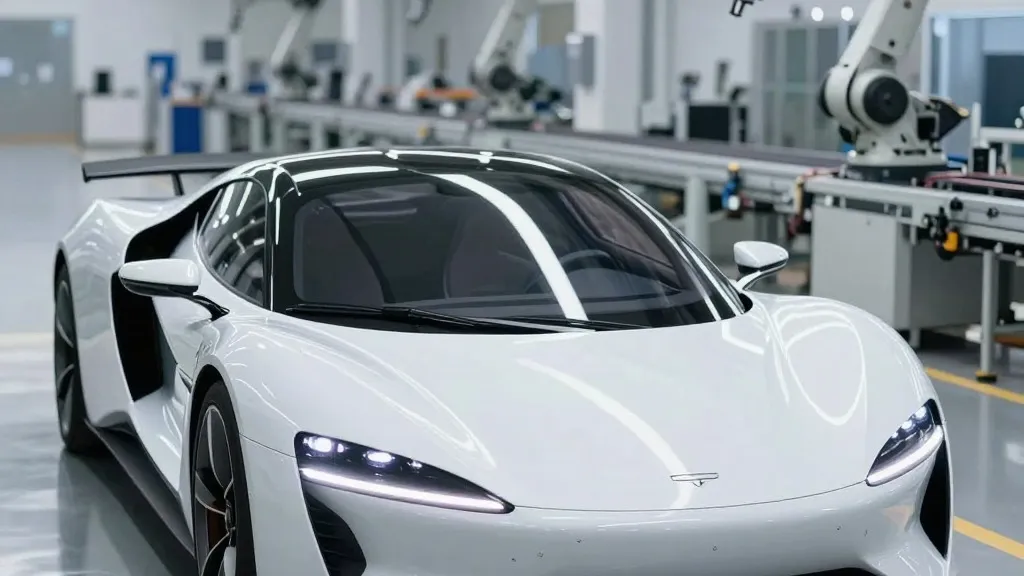
For residents in the Southeast and across the country, the era of waiting for Tesla’s fully autonomous two-seater is coming to a close. The company has confirmed that private customers will begin receiving Cybercab units before the end of 2026. This milestone shifts the vehicle from a distant prototype to an imminent reality, though the initial rollout will be modest in scale.
The first key takeaway is the specific timeline established by leadership. During the third-quarter 2026 earnings call on October 21, Vice President of Engineering Lars Moravy stated that the goal is to deliver Cybercabs to customers by the end of this year. He noted that production is currently active at Gigafactory Texas. However, every unit rolling off the line at this moment is being allocated to Tesla’s internal Robotaxi fleet rather than individual buyers.
Second, the business model prioritizes service over private ownership. CEO Elon Musk clarified that the Cybercab is designed primarily as a "transport-as-a-service" offering. Unlike the Model 3, Model Y, or the upcoming Roadster, which are intended for personal garages, Musk indicated that the vast majority of Cybercabs will remain Tesla-owned. This approach allows the company to manage the fleet directly while it scales operations.
Third, the initial customer deliveries will be small-scale and cautious. Moravy explained that Tesla is using this period to gain experience with delivery logistics, fleet management, and ownership models. As the company becomes more proficient in operating autonomous vehicles outside of its direct control, it plans to mainly deliver these fully designed autonomous vehicles to the public. This phased approach aims to ensure reliability before a wider release.
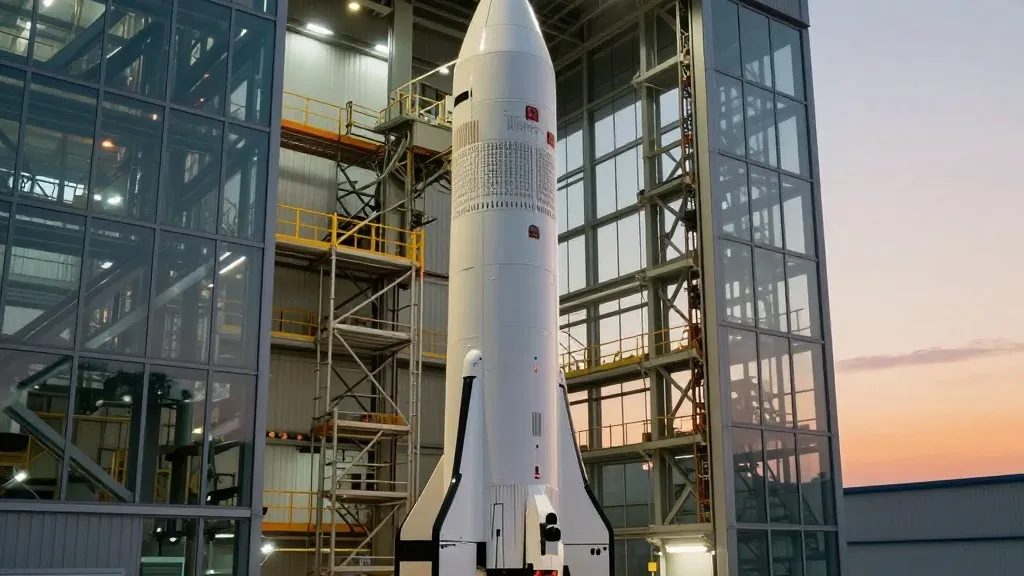
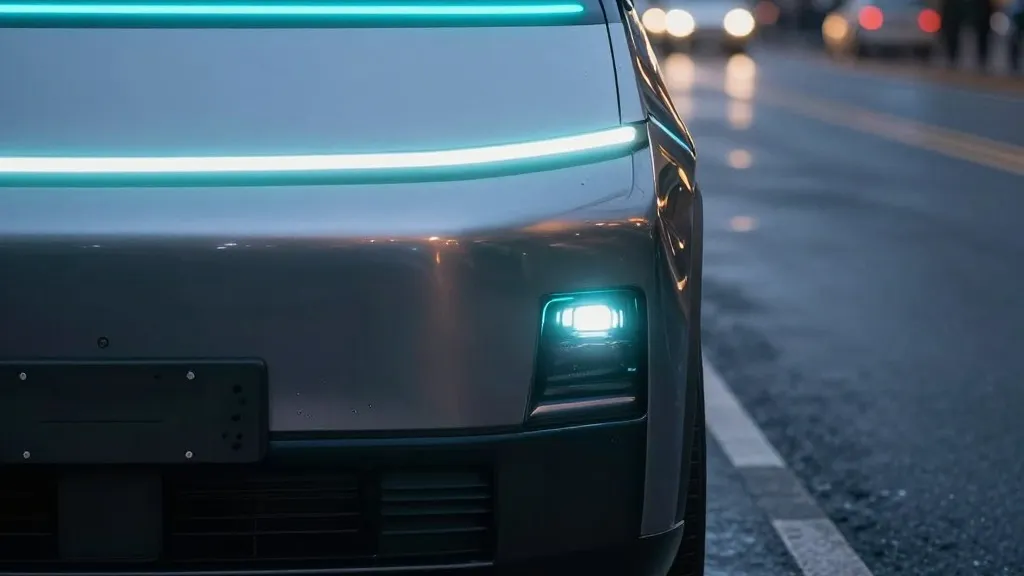
The Cybercab itself is a distinct departure from traditional cars, featuring no steering wheel or pedals. It has been in production since February and relies entirely on Tesla’s Full Self-Driving suite. Early units entered the public Robotaxi service in early September. Tesla has previously indicated a target price of approximately $30,000 for these vehicles, positioning them as an affordable, high-tech transit option.
Looking ahead, the broader integration of autonomous tech remains on track. Ashok Elluswamy, Tesla’s Head of AI, indicated that unsupervised Full Self-Driving will ship to consumer cars in the second quarter of 2027. However, early Cybercab buyers or fleet operators may face geographically restricted autonomous operation due to lagging regulatory agencies. Several hurdles remain to be cleared before the full potential of the Cybercab can be realized for everyday users.
Source: Teslarati · original report published
More Business · Consumer Alerts · Report a business · Got a Story?