Tesla delays robot sales to late 2027, cites hand and AI hurdles
Elon Musk told investors that Tesla will not ship its Optimus humanoid robots to outside buyers until the end of 2027, a date that aligns closely with rival timelines.
By Noah Ross ·
Tesla CEO Elon Musk has revised the timeline for commercial sales of the company’s Optimus humanoid robot, stating that deliveries to outside customers will begin around the end of 2027. Speaking during the company’s third-quarter 2026 earnings call, Musk indicated that the robot’s hands, overall durability, and artificial intelligence capabilities still require significant development before the unit is ready for external markets. This latest projection pushes back previous internal targets, which had suggested earlier adoption for industrial use.
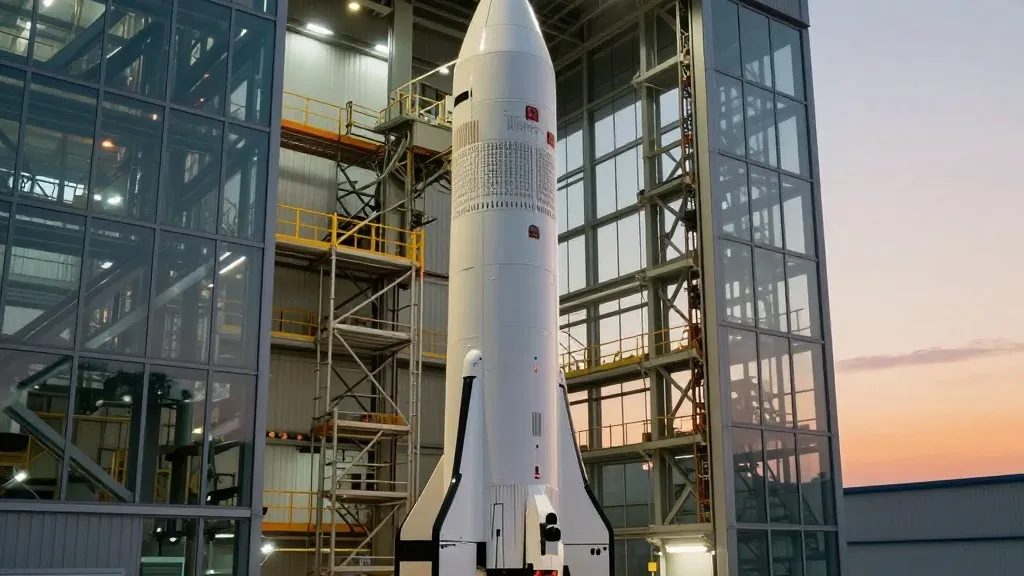
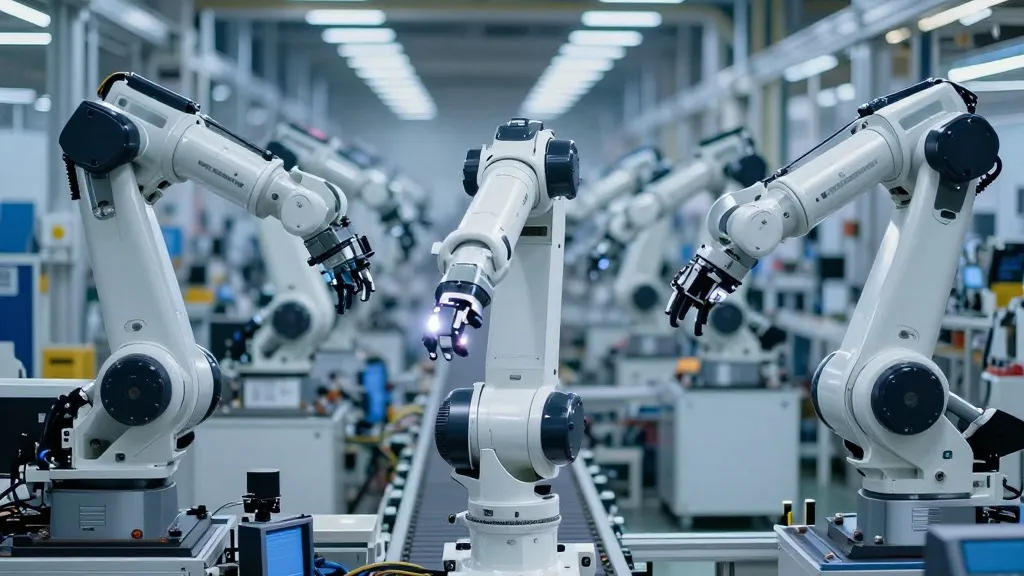
The company is currently ramping up early production of Optimus on its high-volume line at the Fremont factory in California, the same facility that previously assembled Model S and Model X vehicles. While most of the infrastructure for a line designed to produce one million robots annually is already installed, Musk cautioned that reaching that capacity will take at least a year, and possibly longer. The target production rate is approximately 20,000 units per week, but parts of the robot’s design are still in flux, preventing a faster ramp-up.
Specific technical challenges remain the primary obstacles to scaling production. Musk identified the AI architecture, electromechanical design, and reliability as the three critical areas needing resolution. He emphasized that the robot must not wear out after just a month of use, a standard that current prototypes have not yet met. When pressed by an analyst on which design elements are still changing, a Tesla Optimus engineer highlighted the hand as one of the most difficult hardware components to perfect, alongside custom gears that still raise reliability concerns.
The hand mechanism presents a unique engineering dilemma. Musk explained that the fingers must be soft enough to handle delicate objects yet durable enough to withstand constant wear and tear. Unlike human skin, robot fingers cannot heal, making material science a key focus. On the software side, Tesla faces a data gap; unlike its vehicle fleet which collects driving data for Full Self-Driving, Tesla does not yet have a large fleet of robots operating in the wild. To address this, the company plans to build between 10,000 and 20,000 robots to practice tasks in an internal facility dubbed the Optimus Academy. The company also intends to integrate its AI5 chip into Optimus around April 2027.
Tesla’s own recent shareholder letter describes the robots currently coming off the Fremont line as the first "production-quality" units. This distinction implies that all Optimus robots manufactured prior to the current quarter did not meet production standards. The company has a history of shifting timelines; in 2024, Musk suggested internal use in 2025 and high-volume external sales in 2026. By January 2025, he had projected building 10,000 robots that year, a goal that was later acknowledged as not fully achieved with useful work being performed.
Competitors are advancing their own humanoid programs with timelines that mirror Tesla’s. XPeng, a Chinese automaker, activated an automated production line for its IRON robot in Guangzhou in September. The IRON model features 21 degrees of freedom in each hand and utilizes XPeng’s physical AI model on three in-house chips. XPeng plans to begin mass production by the end of 2026, with deliveries starting in the first half of 2027 for stores and malls, followed by a European rollout in the second half of the year.
Hyundai’s Boston Dynamics has also made strides, beginning production of its electric Atlas robot in January. The company stated that all of its 2026 Atlas deployments are already committed, including partnerships with Google DeepMind. In September, Boston Dynamics opened a robot training center at Hyundai’s Metaplant in Georgia, where Atlas is learning to sequence car parts. Hyundai aims to deploy 25,000 robots across its plants in the coming years. Notably, Boston Dynamics hired Milan Kovac, Tesla’s former head of Optimus, in January, signaling a competitive talent war in the robotics sector.
Despite these developments, Musk maintains that no other company is close to Tesla in general-purpose humanoid robotics. He promised a video within the next month or two showing Optimus performing unscripted tasks, arguing that many current industry demos rely on pre-programmed routines that would fail in real-world conditions. However, the recurring delays and the similar trajectories of rivals suggest that the race to create a fully autonomous, reliable humanoid worker is still in its early stages.
Source: Electrek · original report published
More Business · Consumer Alerts · Report a business · Got a Story?