Palmetto Bay voters signal shift in District 27 as young Latinos question support for Trump
At a Miami-Dade precinct, younger Hispanic voters reported breaking from family tradition, while older Cuban Americans remained firm in their Republican allegiance during the race between Salazar and Rodriguez.
By Noah Ross ·
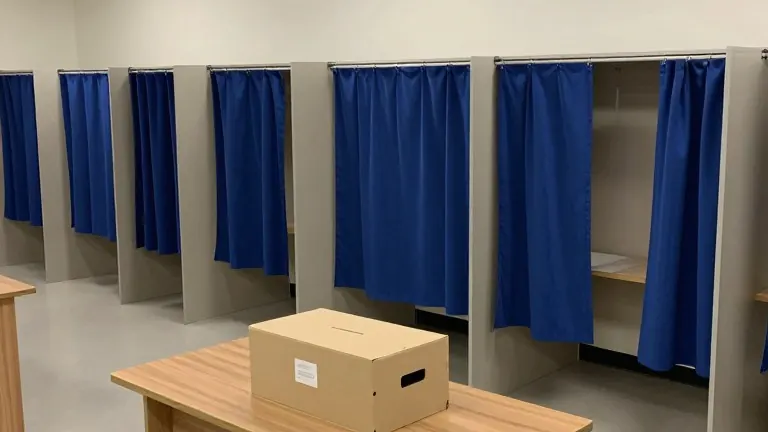
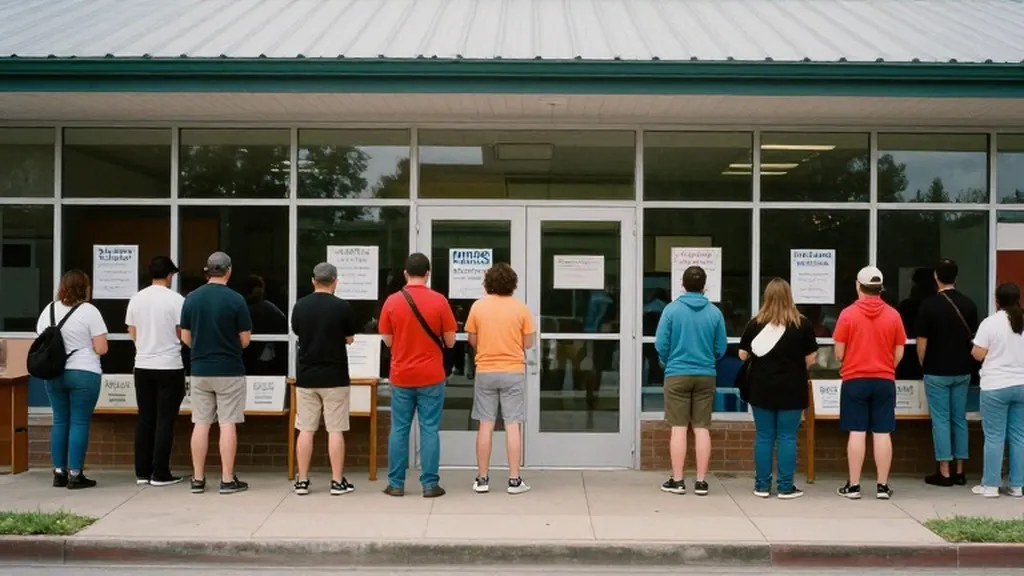
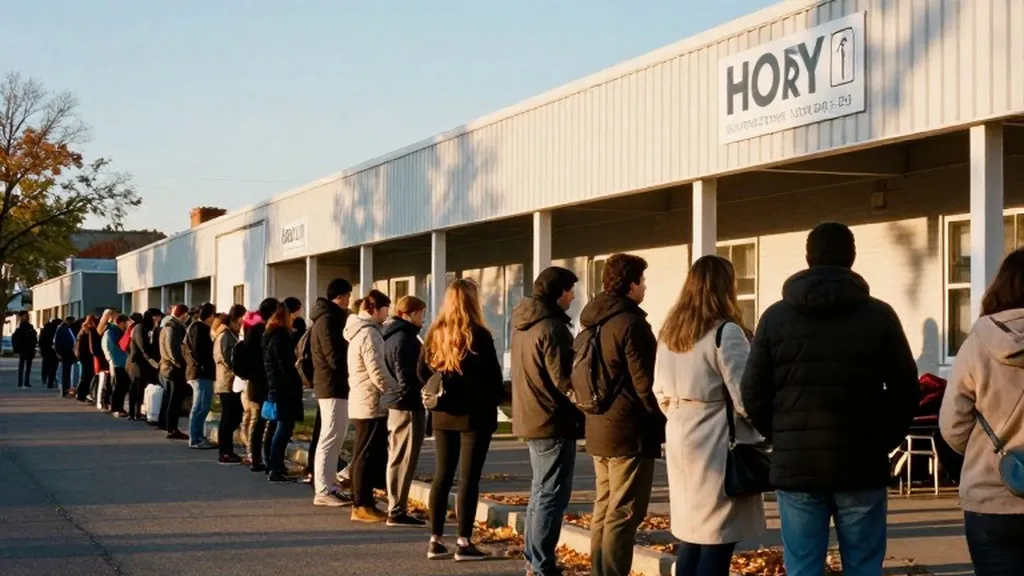
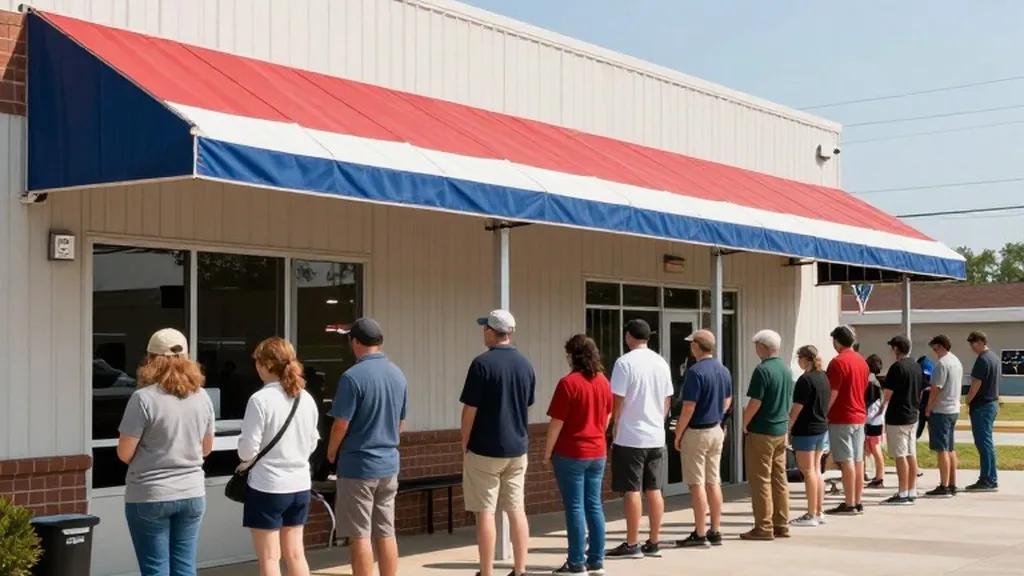
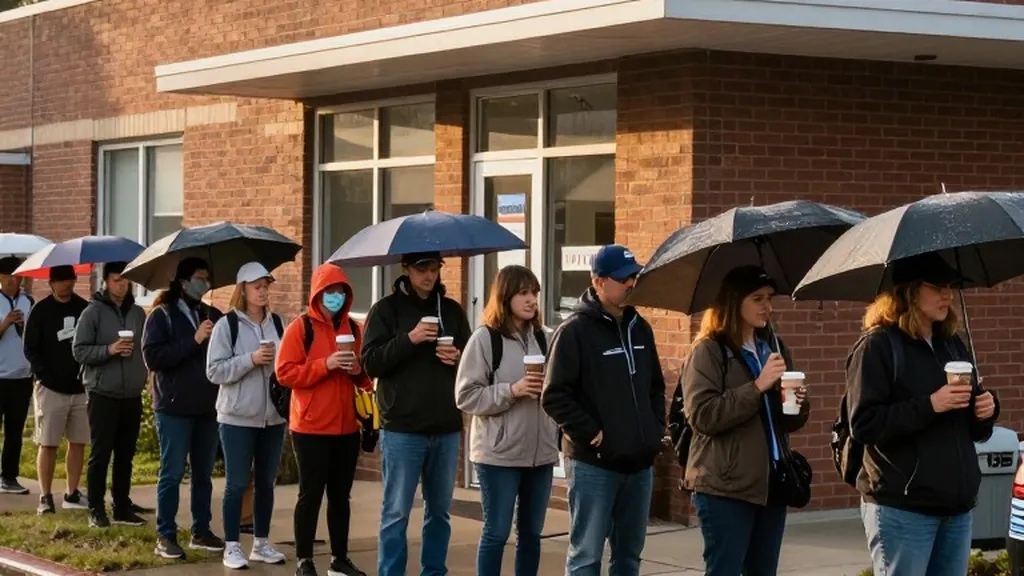
A visible split among Hispanic voters emerged at the Palmetto Bay voting site in Miami-Dade County on Election Day. Younger residents in the area expressed doubt about President Donald Trump, a sentiment that aligns with recent polling from Florida International University. That data indicated two-thirds of Florida Latinos believe the country is moving in the wrong direction. This trend appears particularly strong among younger voters who are casting ballots in the competitive District 27 race.
The district contest features three-term Republican Congresswoman María Elvira Salazar and Democratic challenger Eliott Rodriguez. Both candidates are Cuban-Americans and former television news journalists. The outcome of this election may hinge on how many local Hispanic voters continue to back the Republican Party.
Miranda, a Cuban-American paralegal who requested that her last name not be used, described the political mood in her community. She stated that this cycle is the first time she has seen Latino voters appear so anxious and divided. The primary driver of this tension is the cost of living. Miranda noted that she is attempting to become a first-time home buyer and found the process difficult for people in the Latino community. She predicted a tide of voters moving away from Trump but admitted uncertainty about the final result.
Valentina, a recent Colombian-American college graduate in Palmetto Bay, observed a generational break with the Republican Party. She said younger Latinos are realizing they feel let down by the current administration. Instead of following the voting habits of their parents and families, these younger voters are conducting their own research. They are seeking to establish their own political voices and ensure their preferences are heard at the ballot box.
Not all local voters shared that view. Oscar Sosa, a Cuban-American resident, argued that polling data regarding Latino voters has been incorrect. He believes the community will remain loyal to the Republican Party. Sosa criticized narratives that focus on specific racial or ethnic groups, stating that such discussions divide the country. He asserted that Latinos support the Republican Party one hundred percent.
Teresita Alvarez, an 82-year-old Cuban-American who arrived in the United States in 1966, agreed with Sosa. Speaking in Spanish, she described the current electorate as confused and divided over their choices. Despite the uncertainty she observed among others, Alvarez stated she has always voted Republican. She confirmed she would continue to vote for her Republican president, describing that path as much simpler than the current political debate.
Source: WUSF Public Media